
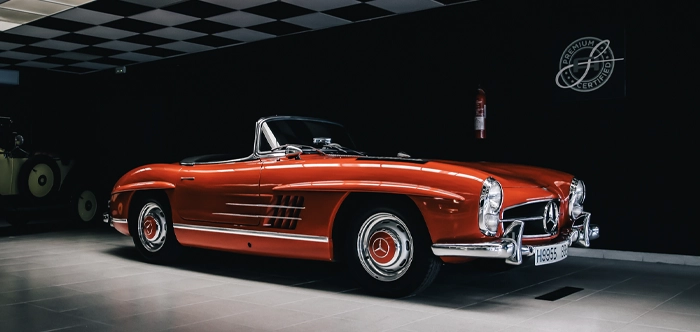
Classic Car Restoration in Potters Bar at AG Body Shop
Classic car restoration in Potters Bar requires careful planning before dismantling begins. Older vehicles may contain corrosion, previous welding, unavailable trim, repaired panels and several generations of paintwork that only become fully visible as the project progresses.
AG Body Shop undertakes suitable classic and heritage vehicle body restorations. Depending on the agreed scope, the work may include corrosion assessment, controlled dismantling, vehicle welding, repair-section work, panel restoration, body preparation, complete refinishing and careful reassembly of suitable exterior components.
Our focus is the body, metal and paintwork. Mechanical, electrical, glass, interior, upholstery and specialist component restoration remain separate unless they are specifically included or coordinated within the project.
Classic Vehicle AssessmentCorrosion & WeldingPanel RestorationComplete Refinishing
Classic Car Restoration in Potters Bar
A classic car restoration differs from a conventional repair because the vehicle’s age, history and parts availability influence every stage. The project may involve preserving suitable original panels, correcting older repair work and planning around trim that is difficult to replace.
Some vehicles need targeted corrosion and paint restoration, while others require wider dismantling, metal repair and complete refinishing. The correct level of work should be agreed before the project becomes more extensive.
A classic restoration is not simply a full respray.
The body condition, panel fit, corrosion and earlier repairs must be addressed before the final paintwork can provide a suitable result.
Originality, Road Use or Custom Finish?
The intended result should be defined before dismantling and fabrication begin.
| Objective | Main Focus | Key Considerations |
|---|---|---|
| Original-style restoration | Retaining period appearance and suitable original material | Original colour, body lines, trim positions and parts availability |
| Road-use restoration | Durability, presentation and practical use | Corrosion protection, maintainability and realistic finish expectations |
| Custom appearance | Agreed colour or exterior changes | Design decisions, component fit and non-original details |
Originality does not mean retaining unstable corrosion or unsuitable earlier repairs. Where original material can be repaired reliably, keeping it may preserve the vehicle’s character and avoid poor-fitting replacement parts.
Assessment and Project Scope
The starting assessment records what can be seen before trim, coatings and filler are removed.
- Vehicle make, model, year and known history
- Visible corrosion and earlier welding
- Existing paint layers and repair edges
- Door, bonnet, boot and wing alignment
- Completeness and condition of exterior trim
- Availability of replacement panels and fixings
- Current colour and intended finish
- How the vehicle will be used after completion
- Owner priorities, budget and contingency
Photographs and measurements taken before dismantling can help record panel gaps, trim positions and the starting condition.
Work That Cannot Be Confirmed Initially
Corrosion can remain hidden in sills, wheel-arch seams, door bottoms, window surrounds, panel overlaps and previous welded repairs. The quotation should distinguish confirmed work from areas that require controlled exposure.
The starting estimate may change after dismantling.
Additional corrosion or unsuitable earlier work should be documented, explained and approved before the restoration continues beyond the agreed scope.
Our Classic Car Restoration Process
1. Define the Objective and Starting Scope
We review the vehicle, known history, intended use, colour and included body areas. Parts responsibilities and work outside the body-shop scope should also be identified.
2. Document and Dismantle Carefully
Suitable trim, lights, bumpers, handles and removable panels may be removed for access. Older clips, seals and fittings can be fragile, so components should be labelled and stored carefully.
3. Expose the Underlying Condition
Unstable paint, cracked filler and unsuitable previous repairs may be removed. This stage can reveal corrosion, welded-over rust, thin metal or distortion hidden beneath several coating layers.
4. Complete Metal and Panel Repairs
Suitable corrosion is removed, repair sections are prepared and panels are restored or replaced where appropriate. Alignment and trial fitting are completed before final surface preparation.
5. Prepare the Body
Once metalwork is stable, remaining surface defects are corrected. Suitable primers are applied, panel transitions checked and excluded areas protected.
6. Refinish the Agreed Areas
The vehicle is refinished in the selected colour across the included exterior panels, openings and returns. The precise paint scope should be confirmed before dismantling.
7. Reassemble and Inspect
Suitable exterior components are refitted after curing. Final checks cover panel gaps, trim positions, paint coverage, surface finish and consistency with the approved project.
Corrosion, Welding and Panel Restoration
Classic vehicles commonly develop corrosion around sills, wheel arches, door bottoms, window surrounds, boot openings, seams and earlier repairs.
Paint and filler cannot replace weakened or missing metal. Perforated areas may require removal and a suitable repair section, while layered sections may need inspection of both inner and outer panels.
Dedicated metal repairs can be coordinated through our vehicle welding service.
Original Panels, Repair Sections and Replacements
A suitable original panel may be retained when it can be restored reliably. Replacement can be preferable where corrosion or distortion is extensive, but reproduction or used panels may require trimming, adjustment and trial fitting.
Where a suitable replacement is unavailable, a local repair section may be prepared for an appropriate area. Complexity depends on curvature, body lines, folded edges, mountings and surrounding metal condition.
Panel Fit and Alignment
One replacement wing or door can affect several neighbouring gaps. Doors, bonnet, boot lid and adjacent panels should therefore be considered together before final attachment and paint preparation.
Paintwork, Parts and Reassembly
Older vehicles may contain several paint systems, filler layers and previous repairs. Unstable materials must be corrected before final refinishing.
Returning the car to its original or a period-appropriate colour can support its historical appearance. A complete colour change normally requires additional work around door shuts, openings, returns and areas behind removable trim.
Where the main requirement is broad exterior repainting without extensive classic metal restoration, our full car respray service may provide the more focused route.
Parts and Trim Availability
Bumpers, badges, grilles, mouldings, handles, lights, seals and fasteners should be checked before the body and paint plan relies on them. Customer-supplied, reproduction and used parts may differ in fit and condition.
Mechanical, electrical, chrome, glass, upholstery and other specialist work should be coordinated separately where required.
Restoration Cost, Timing and Project Value
Classic car restoration cannot be priced by vehicle size or age alone. Labour, corrosion, fabrication and parts availability usually have greater influence.
- Starting condition and completeness
- Visible and concealed corrosion
- Earlier welding and filler repairs
- Number and condition of panels
- Fabrication and trial-fitting requirements
- Trim, clips, seals and replacement-part availability
- Original colour or complete colour change
- Included paint areas and target finish
- Outside specialist work
- Additional work discovered during dismantling
The stages must be completed in order. Panel preparation cannot be finalised before welding is stable, and final paint should not begin while body alignment remains unresolved.
Is a Classic Restoration Worth It?
The decision may reflect personal attachment, rarity, historical interest or the difficulty of finding another suitable vehicle. It should not be treated as a guaranteed financial investment, because the completed cost may exceed resale value.
Consider the vehicle’s completeness, parts availability, intended use, restoration standard and contingency budget. Our guide on whether a full car restoration is worth it explores these decisions further.
Why Choose AG Body Shop, Related Services and Guides
Why Choose AG Body Shop?
- Individual assessment of suitable classic vehicles
- Clear definition of the starting body and paint scope
- Assessment of corrosion and earlier repairs
- Suitable welding and repair-section work
- Panel restoration, fitting and alignment
- Original-colour and suitable colour-change refinishing
- Review when additional work is uncovered
- Final checks against the agreed scope
View our completed repair and restoration projects, read our customer reviews or submit photographs through our online assessment form.
Related Restoration Services
Frequently Asked Questions About Classic Car Restoration
What classic restoration work do you undertake?
We assess suitable classic vehicles for body, corrosion, welding, panel and paint restoration. Acceptance depends on condition, scope and parts availability.
Can the project focus only on body and paint?
Yes. Mechanical, electrical, glass, interior and upholstery work can remain outside the agreed scope or be coordinated separately.
Can original panels be retained?
Suitable original panels may be restored when they can provide a reliable result. Extensive corrosion or distortion may require larger repair sections or replacement.
Can previous welding be corrected?
Earlier repairs can be assessed after exposure. Sound work may remain, while deteriorated patches or repairs over corrosion may need removal.
Can you restore the original colour?
Yes, where suitable colour information or surviving reference areas are available. An agreed colour change is also possible with a broader paint scope.
Can you provide a fixed price?
A starting estimate can cover visible work. A completely fixed price may not be realistic while corrosion and earlier repairs remain concealed.
What happens if more rust is found?
The additional work should be documented, explained and approved before the project proceeds beyond the starting scope.
What should I send for an initial assessment?
Send the make, model, year, known history, photographs from several angles, close images of corrosion and an inventory of available or missing parts.
Request a Classic Car Restoration Assessment
Send AG Body Shop the vehicle make, model, year, photographs, known repair history, parts information and a description of the result you want to achieve. We will review the available information and advise on the appropriate next step.
Start Your Classic Car Restoration Enquiry
Send clear photographs, vehicle details, known corrosion areas, parts information and your intended restoration outcome.
Request a Restoration AssessmentCall +44 7449 325756Email AG Body Shop
Explore our complete range of car body repair services, view our repair and restoration projects or submit your vehicle details through our online assessment form.