
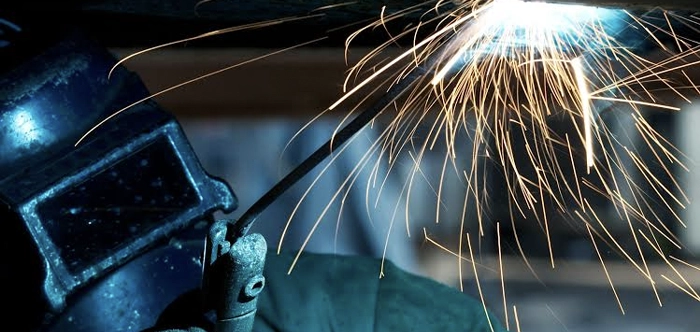
Vehicle Welding in Potters Bar at AG Body Shop
Vehicle welding in Potters Bar should begin with a careful assessment of the affected metal, surrounding bodywork and previous repairs. Visible rust may represent only part of the problem, particularly where corrosion continues beneath paint, filler, trim or an older welded patch.
AG Body Shop undertakes suitable bodywork welding and metal repair as part of car body repair and restoration projects. Depending on the condition and location of the damage, the work may include removing unsuitable metal, preparing a repair section, completing the agreed welding and preparing the area for protection and refinishing.
The correct approach depends on metal loss, panel construction and access. Safety-critical or specialist repairs may require separate assessment or referral.
Corrosion AssessmentBody Metal RepairRepair SectionsRestoration Welding
Vehicle Welding in Potters Bar
Vehicle welding can form part of a rust repair, accident body repair, panel restoration or complete vehicle restoration. The aim is not to hide a hole with filler or place a patch over weakened material. The affected section must be exposed sufficiently to determine whether the surrounding metal provides a suitable base for repair.
Corrosion often develops beneath coatings, seams and trim. A small paint bubble may reveal a wider section of thin or perforated metal once loose material and previous repairs are removed.
Rust usually extends beyond the visible hole.
A repair section must reach suitable surrounding metal. Welding onto weak or heavily corroded material can leave the repair unstable and allow deterioration to continue around its edges.
Vehicle Welding Work We Assess
Corroded Panels and Lower Body Sections
Suitable repairs may involve panel edges, lower body sections, wheel arches, door bottoms or accessible areas of body metal. Inner layers, folded edges and adjoining seams may also need inspection.
Sills, Wheel Arches and Panel Seams
These areas are exposed to water, road debris and trapped contamination. Loose coatings, trim or unsuitable previous repairs may need removal before the full metalwork scope can be confirmed.
Previous Welding and Repair Patches
An older patch may remain suitable if it is stable and the surrounding metal is sound. It may also conceal untreated rust or deterioration around its edges. Previous welding is judged by its current condition.
Restoration and Accident Metalwork
Restoration projects may require local repair sections, suitable fabrication or replacement panels. Larger projects can be coordinated through our complete vehicle restoration service or classic car restoration service. Collision-related metal damage should be reviewed through our accident repair service so adjoining panels and alignment are considered.
How We Assess Corrosion and Metal Damage
The assessment considers the visible defect and the bodywork surrounding it.
- Location and extent of the damage
- Condition of the surrounding metal
- Panel construction, seams and folded edges
- Access to the affected section
- Previous filler, paint and welded repairs
- Nearby trim, wiring, glass or other components
- Availability and fit of suitable repair panels
- Protection and refinishing required afterwards
For an initial review, send a full vehicle view, a wider image of the affected section and close photographs of rust, holes or previous welding. Include the reverse side only where it is already safely accessible.
Photographs rarely show the complete condition beneath paint, filler and seams. A workshop inspection may be required before the scope and estimate can be confirmed.
Our Vehicle Welding Process
1. Inspect and Define the Starting Scope
We identify visible damage, known previous repairs, likely dismantling, possible repair sections and bodywork required after welding. The starting scope should explain how additional corrosion will be handled.
2. Gain Access and Remove Unsuitable Metal
Suitable trim or adjoining parts may be removed to expose the area and protect nearby materials. Loose, perforated or weakened metal is then removed until suitable surrounding material can be identified.
3. Prepare and Trial-Fit the Repair Section
The repair piece may come from a suitable commercial panel, replacement component or locally prepared section. It is checked for shape, alignment and fit before final attachment.
4. Complete and Check the Welding Repair
The method depends on the original construction, metal, thickness and access. The completed section is checked for attachment, alignment and remaining bodywork requirements.
5. Prepare for Protection and Paint
Bare and welded metal is cleaned and prepared before suitable protection, body preparation and refinishing. Related panel and paint work can be coordinated through our car body repair service.
Repair, Fabricate or Replace?
| Metal Condition | Possible Route | Key Consideration |
|---|---|---|
| Limited surface corrosion | Surface preparation after assessment | Remaining thickness and corrosion depth |
| Local perforated section | Remove affected metal and fit a repair section | Surrounding metal and access |
| Corroded seam or panel edge | Local fabrication or larger section repair | Layered construction and concealed corrosion |
| Widespread panel corrosion | Larger section or panel replacement | Part availability, fit and adjoining metal |
| Unsuitable previous patch | Remove and reassess the underlying area | Extent of concealed damage |
Local fabrication may be suitable where the section is limited and its shape can be reproduced appropriately. Panel replacement may be more practical when deterioration affects much of the original component or several previous patches.
Vehicle welding is not appropriate for every material or body location.
Safety-critical areas, specialised metals and repairs requiring vehicle-specific procedures must be assessed separately and may require an appropriate specialist.
Protection, Refinishing, Cost and Timing
Completing the weld is only one stage of a finished body repair. Exposed metal, seams and surrounding surfaces require appropriate preparation before further bodywork and paint. Where accessible, the reverse side and enclosed sections may also need protection.
After preparation, the affected area can be refinished using a suitable paint system. Colour assessment and blending may be required where the repair meets existing bodywork. See our paint and colour matching service.
Vehicle welding cannot be priced from the visible hole alone. Cost and timing depend on access, concealed corrosion, previous repairs, dismantling, repair-panel availability, fabrication, alignment, protection and paintwork.
A small opening may sit within a larger area of thin metal. Photographs can support an initial estimate, but the final scope may only become clear after inspection or controlled exposure.
Compare welding quotations by complete scope.
Check whether dismantling, corrosion removal, the repair section, welding, protection, body preparation, paintwork and treatment of additional concealed damage are included.
Why Choose AG Body Shop?
Vehicle welding should be coordinated with corrosion removal, surrounding bodywork and refinishing rather than treated as an isolated patch.
- Assessment of visible corrosion and body metal damage
- Clear definition of the starting scope
- Removal of unsuitable metal where agreed
- Preparation and fitting of suitable repair sections
- Assessment of previous welded repairs
- Coordination with panel alignment and bodywork
- Preparation for protection and refinishing
- Review when additional corrosion is discovered
View our completed repair and restoration projects, read our customer reviews or submit photographs through our online assessment form.
Related Services and Helpful Guides
Frequently Asked Questions About Vehicle Welding
What vehicle welding work do you assess?
We assess suitable work involving corroded body metal, local repair sections, previous patches and restoration metalwork. Acceptance depends on the vehicle construction and repair location.
Can rust holes be welded?
Suitable perforated areas may be repaired by removing weakened metal and fitting an appropriate section. The repair must reach sound surrounding material.
Can you repair corroded sills or wheel arches?
Suitable sill and wheel-arch corrosion can be assessed for local repair, a larger section or panel replacement. Inner layers may only become visible after opening the area.
Can you weld over existing rust or an old patch?
Welding onto weakened rust is not appropriate. An old patch must be inspected; sound work may remain, while an unsuitable repair may need removal.
Can you fabricate a repair section?
A suitable local section may be prepared where the shape, metal and project requirements allow it. Complex areas may require a replacement panel or specialist work.
Will the repaired area be painted?
Welded body repairs normally require protection, body preparation and refinishing. The quotation should identify which paintwork is included.
How much does vehicle welding cost?
Cost depends on corrosion extent, access, dismantling, previous repairs, repair-panel availability, fabrication and refinishing. The visible hole alone cannot determine the price.
What photographs should I send?
Send a full vehicle view, a wider image of the affected section and close photographs of rust, holes or earlier welding.
Request a Vehicle Welding Assessment
Send AG Body Shop your vehicle make, model, registration, clear photographs of the complete affected section and details of known previous welding or body repairs. We will review the visible condition and advise on the appropriate next step.
Start Your Vehicle Welding Enquiry
Send vehicle details and clear wide and close photographs of the corroded or damaged body section.
Request a Welding AssessmentCall +44 7449 325756Email AG Body Shop
Explore our complete range of car body repair services, view our repair and restoration projects or submit your vehicle details through our online assessment form.