Professional car body repair, accident repair, paintwork and restoration services in Potters Bar, with each vehicle assessed individually to determine the appropriate repair approach.
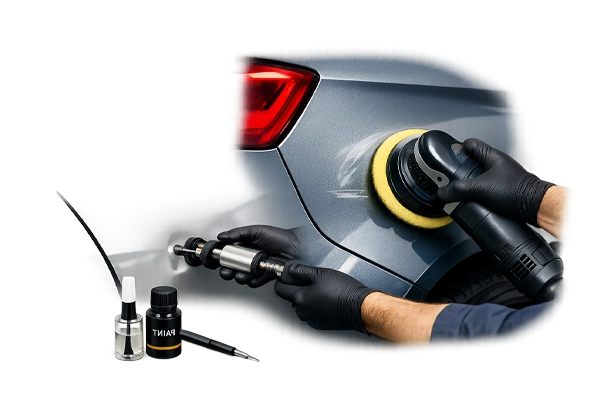
SMART repairs in Potters Bar provide a localised approach for suitable scratches, scuffs, paint chips and minor cosmetic body damage. The repair is planned around the position, depth and extent of the defect together with the condition of the surrounding paintwork. AG Body Shop assesses suitable small-area damage and recommends a localised repair only where […]
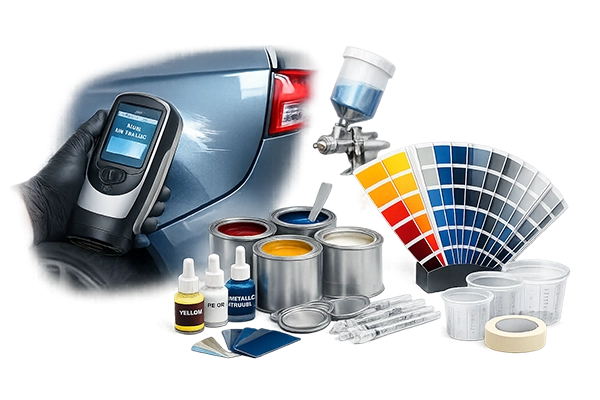
Paint and colour matching in Potters Bar requires more than finding the original paint code. Vehicle age, sunlight, previous repairs, production colour variants, panel material and application can all influence how the existing finish appears. AG Body Shop provides colour assessment and automotive refinishing for suitable body, bumper, accident, scratch and full-respray projects. Work may […]
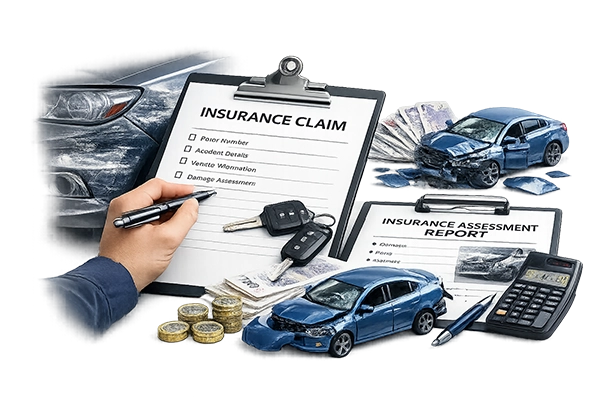
Insurance claim repairs in Potters Bar require clear damage information, an appropriate repair estimate and confirmation of what the insurer has authorised. The visible dent or scratch may be only one part of the body and paint work required. AG Body Shop supports the repair side of suitable motor insurance claims. We can assess visible […]
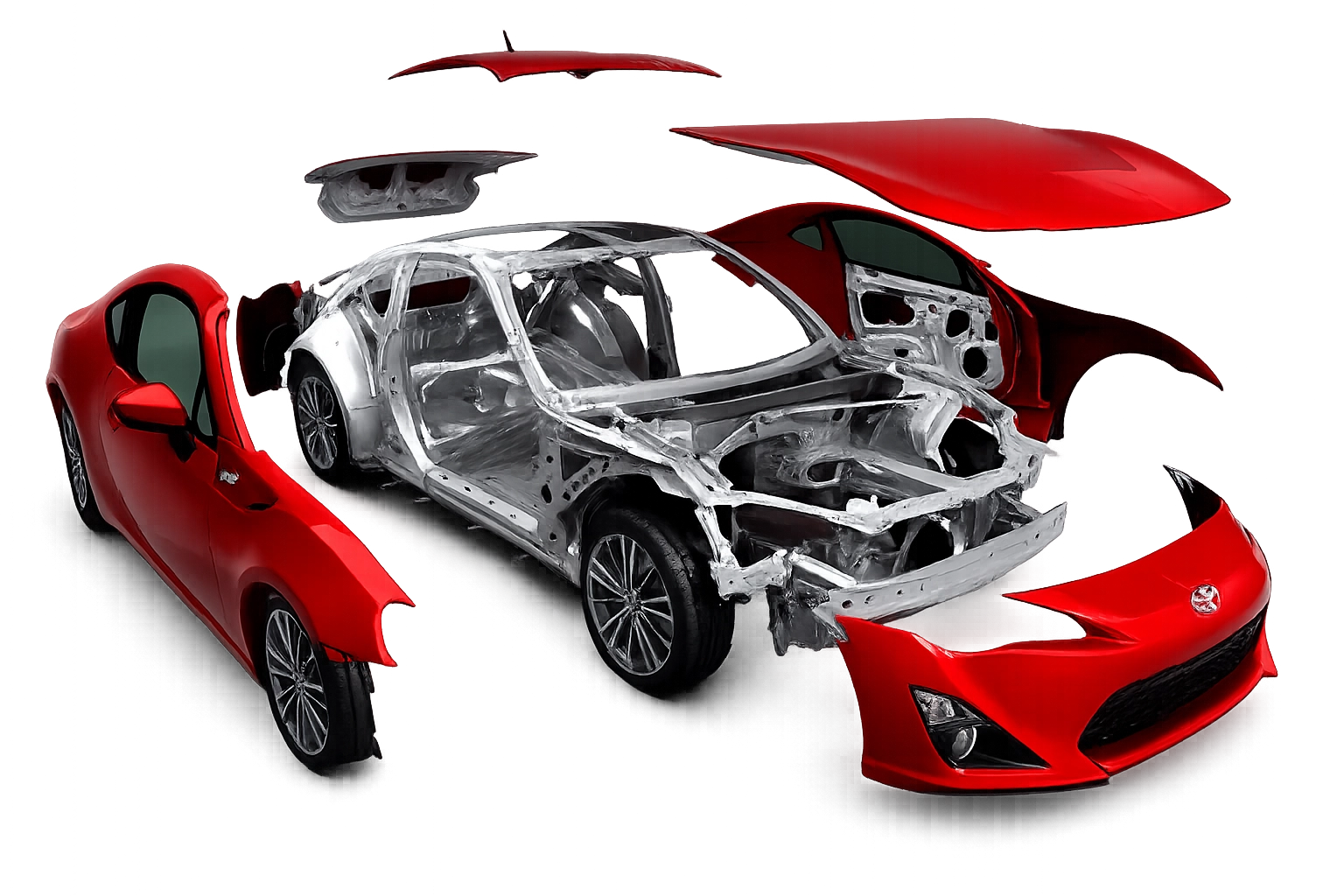
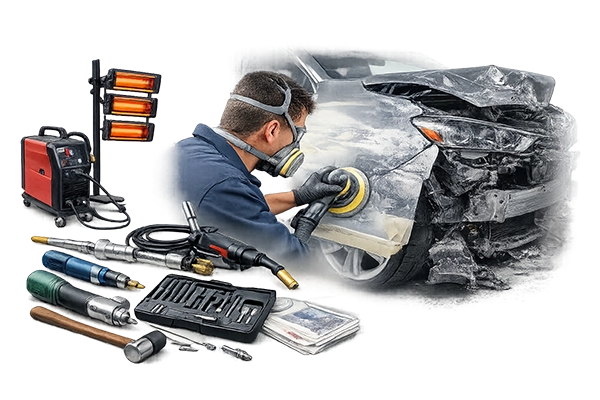
Accident repairs in Potters Bar should begin with an assessment of the complete affected area, not only the most visible dent or scratch. An impact can damage bumpers, exterior panels, paintwork, trim, mounting points and adjoining components. AG Body Shop assesses and repairs suitable accident-damaged vehicles. The agreed work may include panel and bumper repair, […]
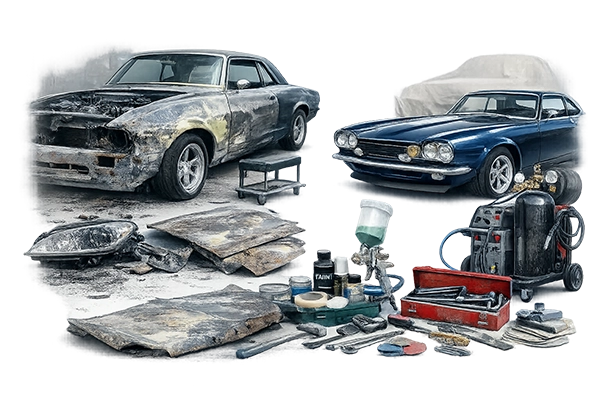
Classic car restoration in Potters Bar requires careful planning before dismantling begins. Older vehicles may contain corrosion, previous welding, unavailable trim, repaired panels and several generations of paintwork that only become fully visible as the project progresses. AG Body Shop undertakes suitable classic and heritage vehicle body restorations. Depending on the agreed scope, the work […]
Car body repair services in Potters Bar should be selected according to the actual condition of the vehicle, not simply the most visible mark. A small scratch, damaged bumper, accident-damaged panel, deteriorated paint finish and corrosion each require a different assessment and repair approach.
AG Body Shop provides body repair, paint and restoration services for a wide range of vehicle damage. We assess the affected areas first, explain the appropriate repair route and agree the scope before work begins. Depending on the vehicle, this may involve localised cosmetic repair, conventional panel work, bumper repair, paint matching, refinishing, a full respray, welding or more extensive restoration work.
Vehicle body damage can range from a small cosmetic defect to extensive accident damage or deterioration affecting several panels. The appropriate repair therefore depends on more than the visible size of the affected area.
AG Body Shop provides a broad range of repair options covering everyday cosmetic damage, accident-related bodywork, paint defects and more extensive vehicle restoration.
Our services include accident repairs, insurance-related repair work, car body repairs, scratch and dent removal, SMART repair, plastic bumper repair, chip repair, paint and colour matching, paint rectification, full car resprays, colour changes, welding, body and trim repair, wheel refurbishment, classic car restoration and complete restoration work.
The smallest-looking repair is not always the simplest repair.
Damage position, panel material, existing paint condition, previous repairs and what lies beneath the visible surface can all affect the correct repair route.
Which Repair Service Does Your Vehicle Need?
You do not need to diagnose the repair before contacting us. The purpose of the assessment is to identify the type and extent of the damage and recommend an appropriate approach.
Vehicle Condition
Possible Repair Route
Main Assessment Point
Accident-damaged panel or bodywork
Accident repair or conventional body repair
Extent of impact damage and affected components
Scratch, dent or localised scuff
Scratch and dent removal or SMART repair
Depth, size, position and paint condition
Scuffed, cracked or distorted bumper
Plastic bumper repair or replacement assessment
Plastic condition, crack location and mountings
Local paint damage or colour mismatch
Paint correction, matching and refinishing
Existing finish, colour variation and repair boundary
Widespread paint deterioration
Broader refinishing or full car respray
Condition across the complete exterior finish
Corrosion, older bodywork or extensive deterioration
Bodywork, welding or restoration
Condition beneath paint and previous repair materials
For general panel and exterior body damage, start with our car body repair service. We can then determine whether the repair should remain localised or requires a broader body and paint process.
Accident and Body Repairs
Accident damage needs to be assessed as a complete repair rather than treated only as a visible dent or broken exterior component.
An impact may affect a bumper, wing, door, quarter panel or several neighbouring areas. Damage may also be concealed behind exterior components and only become clear after closer inspection or dismantling.
Where appropriate, repair work can include panel correction, replacement of damaged exterior components, body preparation and refinishing of the affected area.
If an insurance claim is involved, the repair estimate and the insurer’s authorisation are separate stages. The vehicle still needs an appropriate repair assessment even where an insurer is involved.
Our approach is to establish what the vehicle requires first and provide a clear repair scope based on the condition identified.
Visible accident damage may not show the complete repair requirement.
Additional damage can become apparent once an affected component is examined more closely, so estimates may need to reflect newly identified work.
Scratches, Dents and Bumper Damage
Everyday cosmetic damage does not always require extensive bodywork, but the repair method needs to suit the defect.
Scratches and Scuffs
Light surface marks can differ considerably from scratches that have penetrated the clear coat, colour layer or underlying material. Position is also important because panel edges, body lines and nearby trim can restrict the available repair area.
The repairability of a dent depends on its shape, depth and location together with the condition of the paint and panel material. Sharp creases, stretched metal and damage crossing strong body lines generally require a different approach from a shallow localised dent.
Bumper Damage
Plastic bumpers can suffer surface scuffs, paint damage, cracks, punctures and distortion. Some damage can be repaired rather than replacing the complete bumper, but the plastic, shape and mounting areas must first be assessed.
SMART repair can be suitable for selected small-to-medium cosmetic defects where the damage and surrounding coating allow a controlled local repair.
It should not be used simply because the visible mark is small. Wider refinishing may provide the more appropriate result where the damage crosses an edge, affects unstable paint or does not provide sufficient transition space.
Paint Matching, Refinishing and Resprays
The quality of the final paint finish is a critical part of professional body repair.
Automotive paint can vary because of age, previous refinishing, application characteristics and differences between substrates such as plastic and metal. Manufacturer paint information provides a starting point, but the current finish on the vehicle must also be considered.
Our paint and colour matching service supports body repairs where repaired areas need to integrate with the surrounding vehicle finish.
Local and Panel Refinishing
Where damage is limited, refinishing may be focused on the affected panel or controlled repair area. Preparation must first create a stable surface and address scratches, previous defects or minor body correction.
Paint Rectification
Previous refinishing can sometimes leave visible colour differences, uneven surfaces or defects caused by poor preparation. Correcting this type of work requires the underlying problem to be identified rather than simply applying another layer of paint over it.
Full Car Resprays
A full respray may be considered where paint deterioration affects several areas, previous repairs have created an inconsistent finish or the vehicle requires extensive exterior refinishing.
The process involves substantially more preparation than repainting a single panel. Existing defects need to be corrected before the new finish is applied.
Changing the exterior colour of a vehicle is also a broader refinishing project. The required scope should be agreed before work begins because a complete colour change can involve more than the immediately visible exterior panel faces.
Restoration, Welding and Extensive Bodywork
Older vehicles, classic cars and extensively deteriorated bodywork can require a more methodical repair process than routine cosmetic work.
Restoration may expose corrosion, previous filler, old repairs, damaged metal or several generations of paintwork. Some defects cannot be assessed fully until existing material is removed.
Depending on the agreed restoration scope, bodywork may involve:
Removal or correction of previous body repairs
Repair of corroded or damaged exterior metalwork
Welding where suitable body sections require metal repair
Panel preparation and correction
Paint removal where required by the restoration process
Preparation for refinishing
Full exterior paintwork or respray
Body and exterior trim work included in the agreed project
Our restoration services are focused on vehicle bodywork, exterior repair and refinishing. Mechanical and interior restoration should not be assumed to form part of a body restoration unless specifically agreed within the project scope.
Restoration scope depends on what is found beneath the visible finish.
Older paint, corrosion and previous repairs can conceal additional bodywork, so extensive restoration work should be planned around the actual condition uncovered.
How We Assess Vehicle Damage
A useful repair estimate starts with useful information.
For an initial review, provide clear photographs showing the complete vehicle, the affected panel or component from a wider angle and close images of each damaged area.
Different angles are particularly useful for dents because reflections across the panel can help show the shape and extent of deformation.
Our assessment considers factors such as:
Type, size and position of the damage
Panel or component material
Scratch depth and paint condition
Dent shape, creasing and panel lines
Bumper cracking, distortion and mounting damage
Previous bodywork, filler or refinishing
Corrosion or deterioration around the repair area
Number of affected panels
Paint colour and likely refinishing requirements
Whether dismantling may be required to confirm additional damage
Photographs can support an initial assessment, but they cannot always confirm what lies beneath a panel, previous repair or damaged coating. A workshop inspection may therefore still be required before the final repair scope is confirmed.
From Assessment to Completed Repair
The exact process varies according to the service, but professional body repair generally follows a controlled sequence.
1. Assess the Vehicle
We identify the visible repair requirement and determine whether further inspection is necessary.
2. Agree the Repair Scope
The required work, affected areas and appropriate repair route are established before repairs begin.
3. Complete Body Preparation
Dents, damaged panels, bumper defects, previous repairs or corrosion are addressed according to the agreed work.
4. Prepare the Surface
The repaired area is prepared to provide a stable foundation for the required paint system.
5. Match and Apply the Finish
The current vehicle colour and repair area are considered together before refinishing.
6. Cure and Finish
Paint materials are allowed to cure according to the applicable process before final finishing work is completed.
7. Inspect the Completed Repair
The repair is checked against the agreed scope, including the body surface, visible finish and general presentation of the repaired area.
The complexity and timing of these stages varies considerably between a local bumper repair, accident-damaged panel, full respray and complete restoration.
Why Choose AG Body Shop?
Choosing a body shop should involve more than finding the shortest list of repair steps. The important question is whether the method being proposed is appropriate for the condition of the vehicle.
At AG Body Shop, our approach is based on assessment before repair and a clear distinction between localised cosmetic work and repairs that require a broader process.
Vehicle-specific damage assessment
Localised repairs only where the damage is suitable
Conventional body repair for more extensive panel damage
Plastic bumper repair assessment
Paint and colour matching
Paint rectification and refinishing
Full vehicle resprays and colour changes
Bodywork, welding and restoration services
Clearer repair scope before work begins
Final inspection against the agreed repair requirement
Frequently Asked Questions About Our Car Body Repair Services
How do I know which repair service my vehicle needs?
You do not need to select the technical repair method yourself. Send us details and photographs of the damage or arrange an assessment. We can review the vehicle and recommend the most appropriate service according to the condition identified.
Can you assess vehicle damage from photographs?
Photographs can support an initial assessment and help us understand the visible damage. A physical inspection may still be required where the images cannot confirm damage depth, previous repairs, corrosion or areas concealed behind exterior components.
Can you provide an estimate before work begins?
An estimate can be prepared based on the information and condition available at the time. Where hidden damage or additional repair requirements are discovered later, the scope may need to be reviewed before additional work proceeds.
Do you repair minor scratches and dents?
Yes, suitable scratches, dents, scuffs and cosmetic damage can be assessed for localised or conventional repair. The appropriate method depends on the depth, location, panel condition and surrounding paintwork.
Can a damaged bumper be repaired rather than replaced?
Some plastic bumper scuffs, cracks and distortion can be repaired. The bumper must first be assessed for the severity and location of the damage, the condition of the plastic and any affected mounting areas.
Can you match the existing paint colour?
Paint matching forms part of suitable refinishing work. The original paint information is considered together with the vehicle’s current finish because ageing and previous paintwork can influence the visible colour.
Do you undertake full car resprays?
Yes. Full resprays are available where wider exterior refinishing is appropriate. The existing paint and body condition must first be assessed because preparation requirements have a significant effect on the scope of the work.
Do you restore classic or older vehicles?
AG Body Shop undertakes bodywork and exterior restoration projects. The scope depends on the individual vehicle and may include corrosion repair, welding, correction of previous repairs, panel preparation and refinishing.
Request a Vehicle Repair Assessment
Send AG Body Shop your vehicle details together with clear photographs of the affected areas. Include a complete vehicle image, wider photographs showing each damaged panel or bumper and close views of individual scratches, dents, cracks, corrosion or paint defects.
We will review the visible condition and advise on the appropriate next step. Where photographs are not sufficient to establish the complete repair requirement, we may recommend a workshop inspection.
Start Your Vehicle Repair Enquiry
Send your vehicle details and clear photographs so we can review the visible damage and recommend the appropriate repair route.
Answers to common questions about vehicle assessment, estimates, repair timing and the next steps after contacting our workshop.
To request a vehicle repair estimate from AG Body Shop, send your vehicle details, a short description of the damage and clear photographs showing the complete affected area. This gives us a useful starting point for understanding the visible body or paint damage and deciding whether the next step can be based on the information provided or requires a workshop inspection.
For an initial enquiry, it is helpful to include the vehicle make, model and registration, together with wide photographs of the affected side and closer images of each damaged panel, bumper or painted area. If the damage followed an accident, explain briefly what happened. If an insurance claim is already open, include the claim reference where available.
Photographs can be very useful, but they do not always reveal panel alignment, damage behind bumpers or trim, previous repairs or corrosion beneath an existing finish. In those situations, the vehicle may need to be inspected before the repair scope can be confirmed accurately.
An estimate is based on the damage that can reasonably be assessed at that stage. If dismantling later reveals additional damage, the scope and cost may need to be reviewed before extra work proceeds.
Yes. Current GOV.UK guidance states that you must report an accident to your insurance company even if you are not planning to make a claim.
Notifying the insurer and making an insurance claim are two different things. You may decide to pay for your own body repair, but that does not remove the separate reporting requirement described by GOV.UK or any additional notification requirements contained in your policy.
GOV.UK also states that where an accident causes damage or injury, the required details should be provided to someone with reasonable grounds for requesting them. If those details are not exchanged at the time, the accident must be reported to the police within 24 hours.
Once the incident has been reported, whether you proceed with an insurance-funded repair depends on the circumstances, policy and repair cost. If you intend to claim, ask what information the insurer needs before any work is authorised.
AG Body Shop can assess suitable body and paint damage connected with an insurance claim and carry out agreed repair work where the appropriate repair route and authorisation are in place.
Our role is to deal with the vehicle repair side of the process. This can include assessing visible body damage, identifying suitable panel, bumper and refinishing work and providing repair information needed for the claim.
The insurer or claims handler remains responsible for applying the policy and deciding whether the claim is covered, which costs it will authorise, whether an excess applies and how payment will be handled. A repair estimate from a body shop does not itself mean that the insurer has approved the work.
If you want AG Body Shop to repair the vehicle rather than an insurer-selected repairer, confirm your insurer’s requirements before authorising work. Some insurers may want photographs, an estimate, an inspection or additional information before agreeing the scope.
For an initial enquiry, send the vehicle make, model and registration, the claim reference where available, a brief description of the incident and clear photographs of the complete damaged area.
If additional accident damage becomes visible after dismantling, the newly discovered condition should be assessed and the repair scope reviewed before extra work proceeds.
This does not automatically mean the original inspection was incorrect. Bumpers, trim, liners and exterior components can hide brackets, mounting points or panel edges that cannot be inspected properly until access is available.
The body shop should distinguish between the damage included in the original scope and any additional findings. Photographs and revised repair information can then be used to explain why the job has changed.
If the customer is paying privately, the additional work and cost should be discussed before proceeding. If the repair is insurance-funded, the insurer may need to review and authorise the supplementary work first.
This is why an initial estimate should not make unsupported assumptions about areas that have not yet been inspected. A clear estimate can identify where dismantling may be required to confirm the condition.
Our Car Accident Damage Assessment guide explains the difference between visible and concealed collision damage. For insurance-funded work, How Car Insurance Repairs Work explains how supplementary damage can fit into the authorisation process.
For vehicle-specific accident bodywork, visit our Accident Repairs service.
Vehicle Assessment
Tell us about your vehicle and the required repair.
Our team will review the details and contact you
with the most suitable next steps.