
Every vehicle repair begins with understanding the damage properly. At AG Body Shop, the process is planned around the condition of the vehicle, the affected components and the repair method required rather than applying the same approach to every job.
From the initial assessment through bodywork, preparation, refinishing and final checks, each stage is completed in the correct order so the finished repair is built on properly prepared work beneath the surface.
1. Initial Vehicle Assessment
The first step is to understand what has happened to the vehicle and which areas may require attention. Customers can begin by sending vehicle details and clear photographs showing the complete affected area.
Depending on the repair, a physical workshop inspection may also be required. Photographs can show scratches, dents and visible impact damage, but they cannot always reveal the condition behind bumpers, trim or previously repaired surfaces.
The assessment may consider:
- Location and extent of the visible damage
- Condition of affected panels and bumpers
- Paint damage and exposed surfaces
- Panel gaps and exterior alignment
- Previous repairs or refinishing
- Corrosion where relevant
- Components that may require removal
- Whether repair or replacement should be considered
2. Defining the Repair Scope
Once the visible condition has been assessed, the proposed repair work can be defined.
This may include panel repair, bumper work, surface preparation, replacement components, paint matching, refinishing or a combination of several operations.
A clear starting scope helps distinguish the agreed repair from additional damage that may only become visible once dismantling begins.
Not every damaged component needs the same repair method. The appropriate route depends on the material, position, severity of the damage and condition of the surrounding vehicle.
3. Dismantling Where Required
Some repairs require exterior components to be removed before the complete damaged area can be accessed.
This may involve suitable trim, bumper components, lights, mouldings or other fittings that obstruct the repair area.
Dismantling can also reveal damaged clips, brackets, mounting areas or previously hidden bodywork. Where additional work changes the agreed scope, it should be reviewed before proceeding.
4. Body and Panel Repair
The damaged bodywork is repaired before final paint preparation begins.
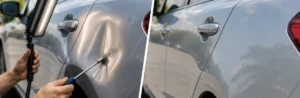
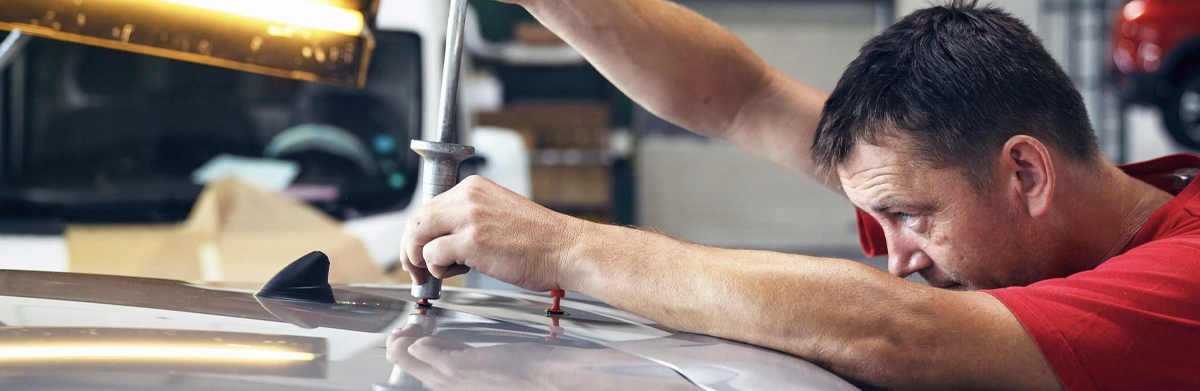
Depending on the vehicle, this may include correcting suitable dents, restoring panel shape, repairing plastic bumper damage, preparing replacement components or completing agreed metal repairs.
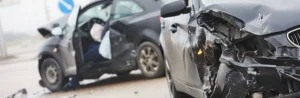
More extensive collision damage can be handled through our accident repair service, while general panel and exterior damage can be assessed through our car body repair service.
5. Surface Preparation
The quality of the finished paintwork depends heavily on the surface beneath it.
Before colour application, repaired areas must be stable, correctly shaped and prepared for the selected refinishing system.
Preparation can include:
- Cleaning and preparing the repair area
- Correcting remaining surface imperfections
- Removing unstable coatings
- Preparing scratch and repair transitions
- Applying suitable primer materials
- Preparing adjoining areas where blending is required
- Protecting components outside the paint scope
6. Paint and Colour Matching
The original paint code provides a useful starting point, but the existing finish must also be considered.
Vehicle age, previous repairs, production colour variants and differences between plastic and metal components can affect how the paint currently appears.
The appropriate colour and refinishing strategy are therefore selected in relation to the vehicle itself. Where required, the colour may be blended into a suitable adjoining area to create a more consistent transition.
Read more about this stage through our paint and colour matching service.
7. Refinishing
Once the bodywork and preparation are complete, the agreed colour and finishing system can be applied.
The exact process depends on whether the repair involves a solid, metallic, pearl or other suitable automotive finish and whether the work covers a localised area, complete panel or wider section of the vehicle.
The paintwork is then allowed to cure appropriately before the vehicle moves into finishing and reassembly.
8. Reassembly and Final Checks
Suitable removed components are refitted after the refinished areas are ready.
The completed repair is then reviewed against the agreed scope. Final checks may include:
- Panel fit and visible alignment
- Bumper and exterior trim position
- Surface consistency
- Paint coverage and finish
- Colour transition
- Visible repair quality
- General presentation of the completed area
The objective is to confirm that the body and paint work agreed at the start of the repair has been completed before the vehicle is returned.
A Repair Process Matched to the Vehicle
A minor bumper scuff does not require the same process as collision damage, a full respray or a classic vehicle restoration. The assessment determines which stages are relevant and how extensive the work needs to be.
Explore our vehicle repair services to understand the available repair routes, or view our completed projects to see examples of bodywork and refinishing.
Start with a Vehicle Assessment
Send your vehicle details and clear photographs of the affected area so we can review the visible damage and advise on the appropriate next step.
Request a Vehicle AssessmentCall +44 7449 325756Email AG Body Shop