


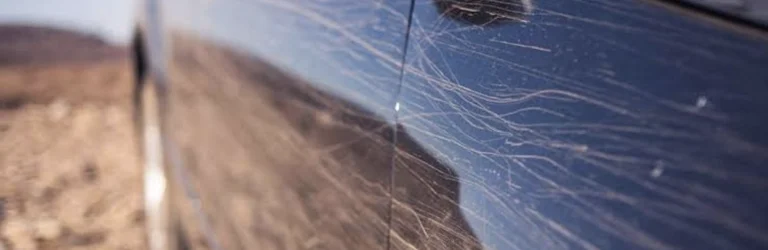
Types of Car Scratches and Repair Options
Car scratches can look similar at first glance but involve very different levels of damage. One mark may sit within the upper clear finish, while another can cut through colour,…
Read ArticleRepair Insights explains what happens behind a professional vehicle body repair, from the first damage assessment to panel preparation, paint matching and final inspection. This section is intended for drivers who want to understand why two apparently similar repairs can require different methods, costs and workshop stages.
Modern body repair is not simply a matter of filling a dent and applying paint. Panel material, damage depth, previous repairs, paint type, component alignment and the condition beneath the visible surface all influence the correct approach. Our articles break these factors down into practical, understandable guidance.
A useful repair begins with identifying the complete affected area. A bumper scuff may be limited to the coating, or the same impact may have moved the bumper corner, damaged a mounting point or marked an adjoining panel. A dent may be shallow and localised, or it may contain a sharp crease that has changed the panel shape beyond the obvious centre.
Our guide to car accident damage assessment explains why photographs are helpful but cannot always reveal what sits behind trim or exterior components. It also shows how a repair estimate can change if dismantling reveals additional damage.
Vehicles damaged in a collision can be assessed through our accident repair service. General panel, bumper and paint damage outside a collision-specific context can be reviewed through car body repairs.
One of the most common questions is whether a damaged component can be repaired rather than replaced. There is no useful answer based only on size. The position of the damage, access, material movement, body lines, panel edges and previous repair history can all matter more than the overall dimensions of the dent.
The guide How to Know Whether a Dent Can Be Repaired explores these factors in more detail. Our scratch and dent removal service covers suitable cosmetic damage, while more involved panel work can be directed to the wider body repair service.
AG Body Shop does not present paintless dent removal as a confirmed in-house service. Where a dent requires a different specialist method, the appropriate route should be established after assessment rather than assumed from a photograph.
Vehicle scratches can affect different layers of the finish. Some marks sit within the clear coat, while deeper damage can remove colour and expose primer, metal or plastic. The repair method should therefore be based on depth and substrate rather than on the length of the scratch alone.
Our guide to types of car scratches and repair options explains the difference between surface marks, deeper coating damage and defects that require body preparation before refinishing.
Small suitable defects may be assessed for SMART repair, while broader scratches, dents and panel damage may require conventional preparation and refinishing.
The manufacturer paint code is only the starting point for a refinishing decision. Vehicles can have production colour variants, earlier repainted panels and age-related differences in the visible finish. Plastic bumpers and metal panels can also reflect the same colour differently.
Our article on why professional paint matching matters explains how colour formulation, metallic or pearl effects, panel material, lighting and blending influence the final transition.
For service information, visit paint and colour matching. This process is used across bumper repairs, accident work, scratch repairs and full vehicle refinishing.
Painted bumper covers are flexible components that can be scratched, cracked, punctured or pushed out of alignment. A cosmetic mark and a damaged plastic component should not be treated as the same problem.
Our plastic bumper repair service assesses suitable scuffs, cracks, distortion and coating damage. Mountings, trim and sensor openings may also need consideration. Cosmetic body repair does not itself confirm that electronic equipment behind or within the bumper is functioning correctly, so warnings or suspected faults may require appropriate diagnostic or specialist attention.
Corrosion introduces a different repair problem because the condition below the coating is important. Paint bubbling or visible rust may be the outer sign of deterioration extending into a seam, folded edge or previous welded repair. Filler and new paint cannot replace weakened or missing metal.
Suitable body metalwork can be reviewed through our vehicle welding service. For larger projects, the article The Car Restoration Process explains how dismantling, corrosion repair, panel work, surface preparation and refinishing are sequenced.
Classic vehicles have additional considerations around originality, rare trim, older repairs and parts availability. These projects can be explored through our classic car restoration service or complete vehicle restoration for broader body restoration work.
A professional paint finish depends on the work underneath it. Remaining dents, unstable filler, corrosion, peeling coatings and visible repair edges will not disappear simply because new colour is applied. Surface preparation is therefore part of the repair, not a cosmetic step added at the end.
Preparation can include cleaning, correcting the panel surface, removing unstable coatings, applying suitable primers, preparing blend areas and protecting components outside the paint scope. Only after the substrate is stable can the colour and clear finish be applied effectively.
The complete sequence is outlined in our vehicle repair process.
When comparing repair estimates, look beyond the headline price. Check which damaged areas are included, whether dismantling is required, which components are being repaired or replaced, how the paintwork will be refinished and what happens if additional damage becomes visible.
Two quotations can both be described as a bumper repair, panel repair or restoration while covering very different work. A clear scope makes those differences easier to understand.
Understanding these distinctions also helps prevent unnecessary overlap between services. A local cosmetic defect, a collision repair and a restoration project may all involve paint, but the assessment, dismantling and preparation requirements are different. Choosing the correct service route keeps the enquiry focused on the actual condition of the vehicle.
Explore our completed repair projects to see examples of body and paint work, or browse the full range of AG Body Shop services. For a vehicle-specific assessment, send wide and close photographs through our contact form so the visible damage can be reviewed before the next step is confirmed.
6 results
Car scratches can look similar at first glance but involve very different levels of damage. One mark may sit within the upper clear finish, while another can cut through colour,…
Read Article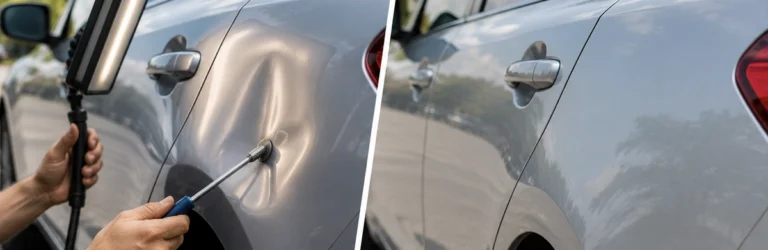
A dent can look simple from a distance and still require very different repair decisions once the panel is inspected. Some dents are shallow and localised, while others include sharp…
Read Article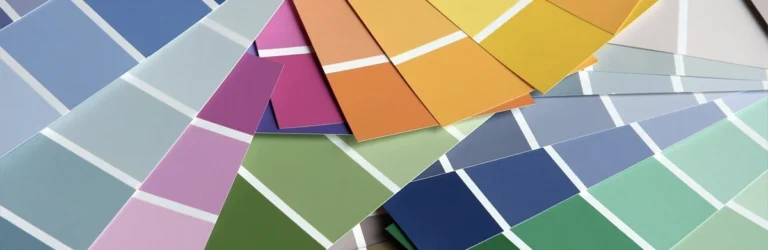
Professional paint matching matters because a repaired area has to work visually with the paint already on the vehicle. A correct manufacturer paint code is useful, but it does not…
Read Article
A proper vehicle restoration is not a single repair. It is a staged process that starts with understanding the car’s condition, defining the intended result and then working through dismantling,…
Read Article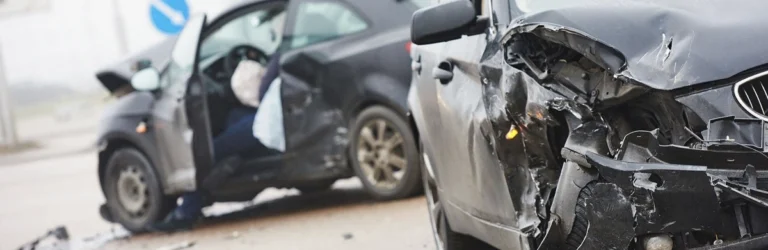
A car can look only lightly damaged after a collision while the true repair scope is still uncertain. A scuffed bumper, dented wing or misaligned panel may be obvious, but…
Read Article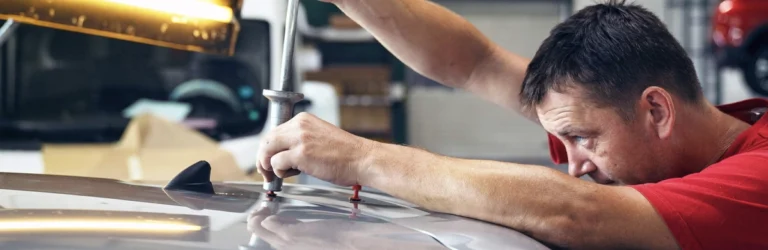
Simple care practices that can help protect a newly refinished surface and preserve its appearance.
Read ArticleTell us about your vehicle and the required repair. Our team will review the details and contact you with the most suitable next steps.
Fields marked with are required.