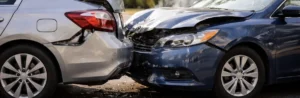

After an accident, the physical damage is only one part of the process. An insurance claim can also involve reporting requirements, evidence, estimates, insurer decisions and policy terms.
This guide explains how car insurance repairs work, from notifying the insurer and arranging a damage assessment through to authorisation, bodywork, refinishing and vehicle collection. It also separates the body shop’s role from decisions that remain with the insurer.
AG Body Shop supports the repair side of suitable claims through our insurance claim repair service in Potters Bar. Every policy and claim is different, so the insurer must confirm cover, approved costs, excesses and any other policy conditions before insurance-funded work is treated as authorised.
1. Report the Accident and Check the Claim Route
The insurance process normally begins before a body shop starts repairing the vehicle. UK government guidance states that an accident should be reported to your insurance company even when you are not planning to make a claim. If the required details were not exchanged at the scene, there can also be a requirement to report the accident to the police within 24 hours. The official guidance is available on GOV.UK.
When you contact the insurer, explain what happened accurately and provide the information it requests. The insurer may open a claim, issue a reference number and explain how it wants the vehicle damage to be assessed. Depending on the policy and claim, it may ask for photographs, arrange an inspection, direct you to a repair network or ask you to obtain an estimate.
At this stage, avoid assuming that a repair estimate automatically means the claim has been accepted. Reporting the accident, opening a claim, assessing the damage and authorising repair costs are separate steps.
Important distinction: notification is not repair authorisation.
A claim reference confirms that the incident has entered the insurer’s process. It does not by itself confirm that every proposed repair, part or cost has been approved.
Claiming on Your Own Policy or Another Route
The route can differ according to the circumstances and cover in place. A comprehensive policy may allow the policyholder to claim for insured damage to their own vehicle, while some non-fault situations can involve the other party’s insurer or another claims arrangement. The most appropriate route depends on the facts of the incident and the insurance arrangements.
AG Body Shop does not decide liability or insurance cover. Those issues sit with the insurer, claims handler and, where relevant, other parties involved in the claim.
2. Gather the Vehicle and Claim Information
Before requesting a body repair assessment, gather the available vehicle and claim information rather than relying on one close photograph of the most obvious mark.
Useful information can include:
- Vehicle make, model and registration
- Date of the incident
- A short factual description of what happened
- Insurer or claims-handler details
- Claim reference, if one has been issued
- Wide photographs showing the vehicle and affected side
- Close photographs of each damaged area
- Images showing panel gaps, bumper position and adjoining components
- Any relevant written instructions from the insurer
- Details of warning messages, leaks or concerns about whether the vehicle is safe to drive
Keep important emails, estimates and authorisation messages in case the scope changes or a question later arises about what was approved.
Do Photographs Replace a Workshop Inspection?
No. Photographs are valuable for an initial review, but they cannot always show the condition behind a bumper, trim panel or damaged exterior component. Reflections, lighting and camera angle can also hide creases or distortion.
A physical inspection may therefore be necessary before a reliable repair scope can be prepared. This is particularly important where panel alignment has changed, a bumper has moved, previous repairs are present or the impact appears to involve more than the outer painted surface.
3. Arrange a Vehicle Damage Assessment
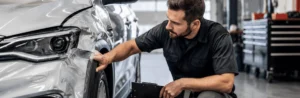
The purpose of a body-shop assessment is to identify the visible damage and define the repair operations that appear necessary. For an accident-damaged vehicle, this can involve much more than naming the dented panel.
The assessment may consider:
- Which panels and exterior components are affected
- Whether a panel appears repairable or requires replacement assessment
- Scratches, exposed substrate and paint loss
- Bumper cracks, scuffs, punctures or distortion
- Panel gaps and visible exterior alignment
- Damaged trim, brackets or attachments
- Areas that need dismantling before their condition can be confirmed
- Surface preparation and refinishing requirements
- Likely colour-matching or blending requirements
Our article on what happens during a car accident damage assessment looks at this stage in greater detail. Where the incident involves wider collision damage, see our accident repair service.
Visible Damage Versus Concealed Damage
A plastic bumper can flex during an impact and partly return towards its original position. The visible cover may therefore look less damaged than brackets, retainers or adjoining areas behind it. Similarly, exterior trim can hide damaged edges and attachments.
The initial assessment should identify these uncertainties instead of presenting the first estimate as if every concealed area has already been inspected.
4. Understand the Repair Estimate
A repair estimate translates the assessed damage into proposed workshop operations and costs. A useful estimate should be clear enough for the customer and insurer to understand which areas are being repaired and what has been allowed for.
Depending on the damage, it may include:
- Panel or bumper repair operations
- Removal and refitting of exterior components
- Replacement parts where required
- Surface preparation and paint materials
- Colour matching and refinishing
- Blending into adjoining areas where appropriate
- Known trim or attachment requirements
- Areas requiring further inspection after dismantling
The estimate should also be read alongside any exclusions or assumptions. For example, a body shop cannot reliably price concealed damage as confirmed work if the relevant component has not yet been removed.
Why Two Estimates Can Be Different
Two body shops may define the scope differently. One estimate may include dismantling, blending or a replacement component that another estimate does not.
Compare the repair scope as well as the total figure. A lower total is not necessarily equivalent if it excludes operations contained in another estimate.
5. Wait for Insurer Authorisation
If the insurer is expected to fund the repair, the next stage is usually its review of the claim and proposed costs. It may approve the estimate, ask for further evidence, arrange another inspection or query part of the proposed work.
Before insurance-funded repairs begin, establish:
- Whether the claim has been accepted for the relevant damage
- Which repair operations and costs have been authorised
- Whether a policy excess applies
- Who is responsible for paying the repair invoice
- Whether any amount remains the customer’s responsibility
- What procedure applies if additional damage is discovered
Courtesy vehicles, guarantees, approved repairer arrangements and other benefits vary by policy and repair route. They should not be assumed without checking the insurer’s terms.
Can You Choose Your Own Repairer?
Some insurers use preferred or approved repair networks, while a customer may in some circumstances ask to nominate another garage subject to the policy and insurer’s agreement. The consequences can vary, so ask about authorisation, payment, excesses, repair guarantees and responsibility if there is a later dispute.
The Financial Ombudsman Service’s current guidance explains that responsibility for repair problems can depend on whether the insurer directed the customer to a garage or the customer arranged repairs with their own garage with the insurer’s agreement. Read our separate guide on choosing your own repairer after an accident for the full decision checklist.
6. What Happens During the Insurance Repair?
Once the agreed work is authorised and the vehicle is scheduled, the physical repair can begin. The exact sequence depends on the damage, but professional body repair generally follows a controlled order rather than moving directly to paint.
Dismantling Where Required
Bumpers, trim, lights, liners or other exterior components may need to be removed to gain access to the damaged area. This can also expose additional damage that was not visible during the first assessment.
Panel and Bumper Repair
Suitable panels may be reshaped and prepared, while repairable plastic bumper damage can require plastic repair before refinishing. Replacement components may need trial fitting and preparation before paint.
Dedicated bumper work is explained in our plastic bumper repair service.
Surface Preparation
The repaired area must be stable and properly prepared before colour is applied. Remaining surface defects, unstable coatings and repair transitions need to be corrected first. New paint cannot compensate for incomplete body preparation beneath it.
Paint Matching and Refinishing
Vehicle colour selection is not based on the paint code alone. Production variants, age, previous paintwork and differences between plastic and metal components can affect the visible finish. Blending may be appropriate where it provides a more consistent transition into existing paintwork.
See our paint and colour matching service for more detail.
Reassembly
After refinishing and suitable curing, removed exterior components are refitted. The body shop can then review the completed work against the authorised scope.
Our vehicle repair process explains these workshop stages in more detail.
7. What If Additional Damage Is Found?
Additional damage does not necessarily mean that the original assessment was poor. Some areas genuinely cannot be inspected until a bumper, trim piece or damaged component is removed.
When newly discovered damage changes the cost or repair method, the additional work should be documented. If the repair is insurance-funded, further insurer authorisation may be needed before that extra work proceeds.
Ask how supplementary damage will be handled before the repair starts.
Knowing the approval process in advance reduces confusion if dismantling reveals an additional bracket, panel or component that was not visible in the original estimate.
What If the Insurer Does Not Approve Everything?
The insurer may take a different view of the repair scope or cost. The next step depends on the policy, evidence and claim circumstances. Do not assume that the body shop can decide insurance cover or require the insurer to pay for work it has not authorised.
Where there is a dispute about an insurer’s handling of vehicle repairs, the Financial Ombudsman Service publishes current information about the types of repair complaints it considers and the evidence it may review.
8. Final Checks and Vehicle Collection
When the authorised body and paint work is complete, the vehicle should be checked against the agreed scope before collection. The exact checks depend on the repair, but they may include:
- Panel fit and visible exterior alignment
- Bumper and trim position
- Paint coverage and finish
- Colour transition between repaired and surrounding areas
- Visible surface quality
- Refitting of the exterior components included in the repair
- General presentation of the completed area
At collection, review the repaired area and ask questions about any repair-specific aftercare. Recently refinished paint may have care requirements that differ from an older fully cured finish.
Our guide on how to protect a new paint finish provides broader aftercare information, but workshop-specific instructions for your repair should take priority.
Keep Your Repair Records
Retain useful paperwork such as the final invoice, insurer correspondence and any repair information supplied to you. These records can help if a question arises later about what work was authorised or completed.
9. Common Insurance Repair Questions
Three points cause most confusion: an estimate is not the same as insurer approval, policy excesses are determined by the policy rather than the body shop, and repair times depend on both the physical work and the claims process. If you prefer a garage outside an insurer’s network, confirm the authorisation, payment and complaint arrangements before repairs begin.
Where an insurer-arranged repair later becomes disputed, keep photographs, claim notes and written correspondence. The appropriate complaint route can depend on who arranged and controlled the repair.
10. Frequently Asked Questions
Do I need to tell my insurer about an accident if I am not claiming?
GOV.UK states that an accident should be reported to your insurance company even if you do not plan to make a claim. Follow the reporting requirements in your own policy as well.
Can AG Body Shop prepare an insurance repair estimate?
AG Body Shop can assess suitable visible body and paint damage and prepare repair information for the proposed work. The insurer remains responsible for deciding whether the claim and costs are authorised.
Can an insurance repair be assessed from photographs?
Photographs can support an initial review, but a workshop inspection may be required where alignment, concealed damage, previous repairs or bumper mountings cannot be assessed reliably from images.
Can I use AG Body Shop instead of an insurer’s preferred repairer?
Ask your insurer whether you can nominate your preferred workshop and what conditions apply. Authorisation, payment arrangements and policy benefits can differ when using a repairer outside an insurer’s network.
What happens if more damage is discovered after dismantling?
The additional damage should be documented. Where it changes an insurance-funded repair, revised information may need insurer approval before the extra work continues.
Who decides whether my insurance covers the repair?
The insurer or claims handler applies the policy and makes the coverage and cost-authorisation decisions. A body shop assesses and completes the physical repair work within the agreed scope.
Will I have to pay an excess?
That depends on the policy and claim. Confirm the amount and payment procedure directly with the insurer rather than assuming it is included in the repair estimate.
What should I send AG Body Shop for an initial insurance repair enquiry?
Send your vehicle details, claim reference if available, a short description of the incident and clear wide and close photographs showing all visible damaged areas.
Need an Insurance Repair Assessment?
If your vehicle has body or paint damage connected with an insurance claim, send AG Body Shop the vehicle details, claim reference where available and clear photographs of the affected areas. We can review the visible repair requirements and advise on the appropriate next step.
Request a Vehicle Assessment
Send your registration, contact details, claim reference where available and photographs showing the complete damaged area.
Explore our car body repair services, view completed repair projects or read our car body repair FAQs.