

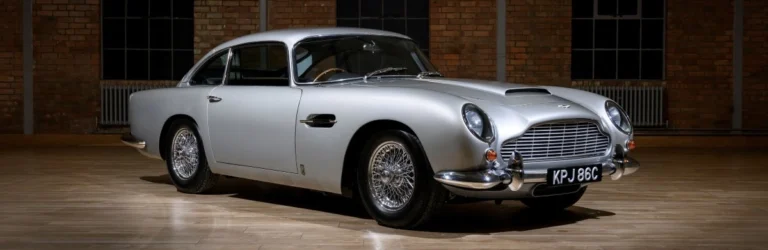
Is a Full Car Restoration Worth It?
A full vehicle restoration can transform a tired, corroded or heavily repaired car, but it is also one of the most involved forms of bodywork. The right question is not…
Read ArticleGuides & Advice brings together practical information for drivers who want to understand what to do before, during and after a vehicle body repair. The aim is to make decisions around accident damage, insurance claims, repair planning and workshop assessment easier to understand without turning every question into technical jargon.
Whether you are dealing with a minor collision, deciding whether to involve your insurer, comparing repair options or planning a larger restoration project, this section is designed to help you prepare before contacting a body shop. The articles explain the questions worth asking, the information worth collecting and the differences between common repair routes.
Bodywork decisions are easier when the starting information is clear. A scratch that looks minor in one photograph may cross several paint layers, while a bumper that appears only scuffed may also sit out of alignment. In the same way, an insurance claim can involve decisions about authorisation, estimates, excesses and repairer choice before the physical repair begins.
Our guides focus on those early decisions. For example, what to do after a minor collision explains the immediate steps after a low-speed incident, including recording the scene, exchanging the relevant details and deciding what should happen next. Drivers dealing with an insurer can also read how car insurance repairs work for a clearer view of the usual journey from reporting the incident through assessment, authorisation and vehicle collection.
Insurance-related repairs can be confusing because the body shop, policyholder and insurer have different roles. A repair estimate explains the work that appears necessary, but it does not itself confirm that the insurer has accepted the claim or approved every cost. The insurer remains responsible for applying the policy terms, while the repairer is responsible for assessing the vehicle and completing the agreed body and paint work.
Our insurance claim repair service explains how AG Body Shop supports the repair side of suitable claims. For drivers deciding where the vehicle should be repaired, the guide Can You Choose Your Own Repairer After an Accident? covers the questions to ask before appointing a workshop outside an insurer’s preferred network.
This distinction matters because repair authorisation, labour rates, invoice payment, courtesy-car arrangements and responsibility for complaints may depend on the policy and the way the repair was arranged. The safest approach is to understand the insurer’s requirements before authorising insurance-funded work.
Not every damaged vehicle needs the same service. Minor paint defects may be suitable for a localised repair, while a collision affecting several panels needs a broader assessment. Corrosion, deep creasing, distorted bumpers and earlier body repairs can also change what initially looks like a straightforward job.
Our accident repair service is the main route for vehicles damaged in a collision, while car body repairs cover a wider range of panel, bumper and paint defects. Drivers with small cosmetic marks can compare these options with SMART repairs and scratch and dent removal.
The purpose of these guides is not to diagnose a vehicle remotely. Instead, they help you recognise when a workshop inspection may be more useful than relying on a close photograph or a quick assumption about the repair method.
Some decisions involve more than a single damaged panel. A full respray or restoration can require detailed planning around corrosion, previous repairs, parts availability, colour, dismantling and the owner’s intended result.
The guide Is a Full Car Restoration Worth It? looks at the practical questions to consider before committing to a larger project. These include the starting condition of the vehicle, availability of panels and trim, the amount of corrosion or fabrication likely to be involved and whether the project is being driven by financial value, long-term ownership or personal significance.
For a clearer view of the workshop stages themselves, visit our vehicle repair process, which explains how assessment, repair planning, bodywork, surface preparation, colour matching, refinishing and final checks fit together.
Good photographs can make an initial enquiry much more useful. A close-up shows the defect, but it often hides its position on the vehicle. For most bodywork enquiries, include a complete vehicle view, a wider image of the damaged panel or bumper and detailed photographs from several angles. Reflections across the surface can also help show dents and distortion.
Include the vehicle make, model and registration together with a short description of what happened. If the repair is connected with an insurance claim, include the claim reference when available and any relevant instructions from the insurer. Avoid sending passwords, unnecessary financial data or unrelated personal documents.
These details do not replace physical inspection where concealed damage, panel alignment, previous repairs or corrosion remain uncertain, but they can help establish the most appropriate next step.
Reliable bodywork advice should help a customer understand the repair without making guarantees that cannot be confirmed before assessment. The appearance of damage, the vehicle’s construction, previous paintwork and the condition revealed during dismantling can all affect the final repair scope.
That is why our guides distinguish between what can be judged from visible damage and what needs workshop inspection. They also explain when specialist mechanical, electrical or safety-system assessment may sit outside the cosmetic body repair itself.
For examples of completed work, visit our repair and restoration projects. You can also read customer reviews and browse our frequently asked questions before arranging an assessment.
If your vehicle has been damaged, the first useful step is to identify the affected areas and gather clear information rather than choosing a repair method immediately. Review the relevant guide, compare the available car body repair services and then send the vehicle details and photographs through our contact and assessment form.
AG Body Shop uses the information you provide to review the visible condition and advise on the appropriate next stage, whether that means a local cosmetic repair, accident assessment, insurance estimate, paintwork inspection or a more extensive body restoration project.
4 results
A full vehicle restoration can transform a tired, corroded or heavily repaired car, but it is also one of the most involved forms of bodywork. The right question is not…
Read Article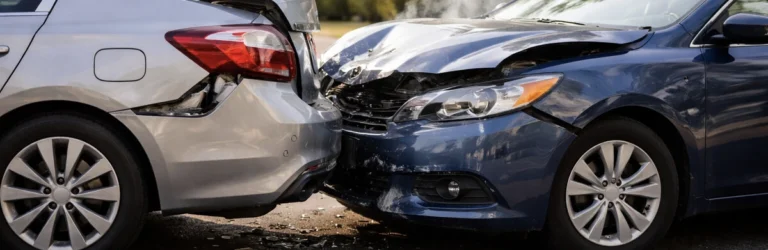
A practical guide to dent depth, paint condition and the repair methods a technician may recommend.
Read Article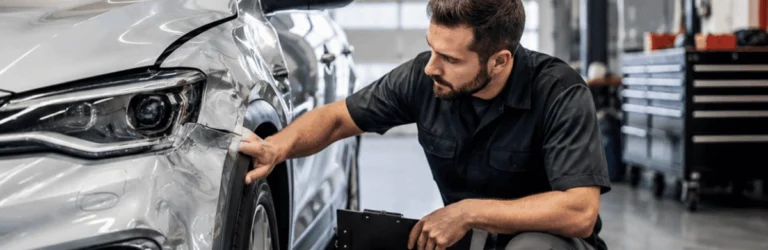
Professional colour matching helps repaired panels blend accurately with the surrounding factory finish.
Read Article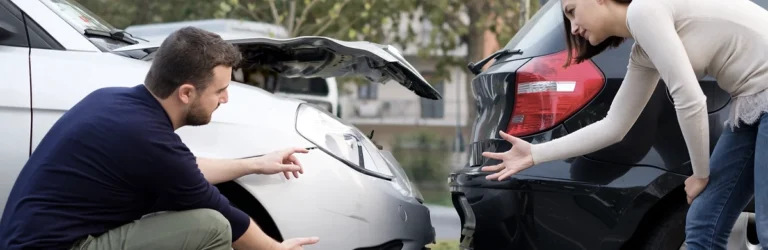
The essential steps to take after a minor collision before arranging inspection and repair work.
Read ArticleTell us about your vehicle and the required repair. Our team will review the details and contact you with the most suitable next steps.
Fields marked with are required.