


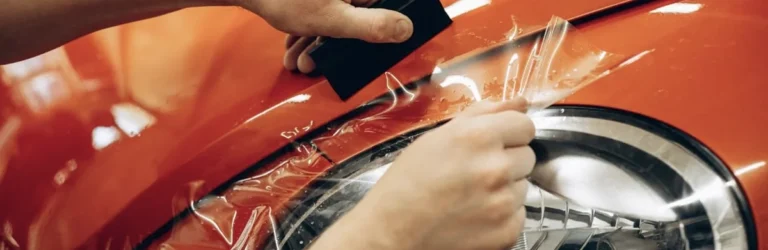
How to Protect a New Paint Finish
Freshly refinished paint can look at its best when a vehicle leaves the workshop, but the way it is treated afterwards still matters. Washing technique, contamination, abrasive polishing and unsuitable…
Read ArticleVehicle Care focuses on looking after the exterior condition of your car before and after bodywork, paint repair or refinishing. Good maintenance cannot prevent every scratch, stone chip or parking incident, but it can reduce unnecessary deterioration and help recently repaired surfaces remain presentable.
This section brings together practical guidance on washing, paint aftercare, contamination, scratches, chips and the early signs that body or paint damage needs professional attention. The advice is designed to support normal ownership without replacing vehicle-specific instructions provided after a repair.
Freshly refinished paint should be treated according to the instructions provided for the specific repair and paint system. Avoid assuming that every new finish has the same curing period or can immediately receive aggressive polishing, strong chemicals, waxes or coatings.
Our guide on how to protect a new paint finish explains practical aftercare following body and paint work. The most important principle is to follow the workshop guidance for the actual repair, particularly before applying protective products or carrying out abrasive correction.
Where a vehicle has received a broader exterior repaint, our full car respray service explains how preparation and refinishing are planned before the aftercare stage begins.
Regular washing removes dirt and contamination that can make the finish look dull and can make it harder to inspect paintwork accurately. The washing method matters because dragging abrasive dirt across the surface can create fine marks.
Use suitable automotive products, clean equipment and a method that removes loose contamination before the surface is physically wiped. Avoid household cleaners or aggressive products that have not been selected for vehicle paint. Wheels and heavily contaminated lower sections should also be treated carefully so abrasive material is not transferred onto cleaner body panels.
After a recent repair, follow the specific washing advice supplied with the vehicle rather than applying a general timetable.
Not every visible mark requires repainting. Some defects are transferred material or contamination, while others affect the clear coat, colour layer or substrate beneath it. Cleaning the area carefully before attempting correction helps prevent a surface mark from being mistaken for deeper damage.
Our guide to types of car scratches and repair options explains the main differences. Suitable minor damage may be assessed through SMART repairs, while deeper scratches and dents can be reviewed through our scratch and dent removal service.
When metal is exposed, leaving the area untreated for an extended period can allow corrosion to become part of the repair problem. When plastic is exposed on a bumper, the issue is different, but the damaged coating still requires proper assessment before refinishing.
Bumpers and lower exterior sections are particularly exposed to parking contact, kerbs, road contamination and stone impact. A scuff that only affects the coating may be comparatively straightforward, while a loose bumper corner, crack or distorted area needs a wider inspection.
Use our plastic bumper repair service when damage includes cracks, punctures, distortion or concerns around the way the component is fitted. Do not rely on polishing or touch-up paint to hide damage where the plastic or mountings may also be affected.
Vehicles can develop changes in gloss, fading, peeling, cracking or colour variation over time. Previous repairs can age differently from factory paint, and plastic and metal components may never appear completely identical under every viewing angle.
Small colour differences do not automatically mean that a panel needs repainting. However, peeling coatings, unstable previous repairs or corrosion beneath the finish should be assessed before the affected area becomes more extensive.
Our paint and colour matching service explains why the current vehicle finish is considered alongside the original paint information when a repair does require refinishing.
Wheels are exposed to kerb contact, brake dust, road contamination and coating damage. Regular cleaning makes it easier to distinguish ordinary dirt from scratched or failing finishes. Avoid harsh methods that can damage the existing coating.
Suitable cosmetic painted-wheel defects can be assessed through our wheel refurbishment service. Cosmetic refinishing does not confirm that a cracked, bent or heavily impacted wheel is structurally suitable for use, so suspected structural damage requires the appropriate specialist assessment.
Home care is useful for cleaning and routine maintenance, but it should not be used to disguise damage that needs body repair. Seek an assessment where you notice:
General bodywork can be assessed through our car body repair service. Damage caused by a collision should be reviewed through accident repairs so the complete impact area can be considered.
Photographs can be useful even before a repair is required. Keeping clear images of a vehicle after purchase, after major detailing or after bodywork provides a reference if new damage appears later.
When requesting a body-shop assessment, avoid sending only an extreme close-up. Include the complete panel or bumper, neighbouring areas and several viewing angles. This helps show whether a mark is isolated or forms part of a wider scrape, dent or alignment issue.
A quality body repair does not end when the vehicle leaves the workshop. Sensible washing, early attention to new chips or scratches and following repair-specific aftercare advice can help preserve the appearance of the completed work.
For examples of refinishing and restoration work, view our completed projects. You can also read our body repair FAQs or explore the full range of vehicle body and paint services.
When a panel has recently been painted, check before using abrasive compounds, strong solvents, machine polishing or protective coatings. Products that are appropriate for an older cured finish may not be suitable immediately after refinishing.
For vehicle-specific advice following work completed by AG Body Shop, use our contact form or speak to the workshop. The correct care guidance depends on the repair that was completed, the materials used and the current condition of the vehicle.
1 result
Freshly refinished paint can look at its best when a vehicle leaves the workshop, but the way it is treated afterwards still matters. Washing technique, contamination, abrasive polishing and unsuitable…
Read ArticleTell us about your vehicle and the required repair. Our team will review the details and contact you with the most suitable next steps.
Fields marked with are required.