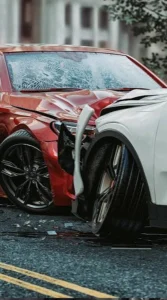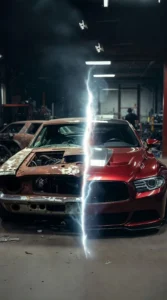


A full vehicle restoration can transform a tired, corroded or heavily repaired car, but it is also one of the most involved forms of bodywork. The right question is not simply whether the finished vehicle will look better. It is whether the condition of the car, the intended result, the available parts and the likely scope of work justify the time and cost involved.
This guide explains whether a full car restoration is worth it from a practical point of view. It looks at financial value, personal value, corrosion, previous repairs, originality, parts availability and the difference between a complete restoration and a more focused bodywork project.
If you are considering extensive exterior work, our complete vehicle restoration service in Potters Bar covers suitable body, metal and paint restoration. For older vehicles where originality and period details matter, see our classic car restoration service.
1. What Does a Full Car Restoration Actually Mean?
The phrase “full restoration” is used loosely. For one owner it may mean an exterior strip-down, corrosion repair, panel restoration and repaint; for another, it may also imply mechanical, electrical and interior work. Those are very different projects.
At AG Body Shop, the restoration scope we discuss is centred on suitable body, metal and paint work. That can include dismantling of relevant exterior components, corrosion repair, panel correction, preparation and refinishing. Mechanical, electrical, glass and interior restoration are separate disciplines unless they are specifically arranged through appropriate specialists.
Define the End Result First
Before asking whether a restoration is worth it, define what “finished” means for your vehicle. Are you trying to:
- Preserve a car you intend to keep long term?
- Correct widespread corrosion and poor previous body repairs?
- Return the exterior closer to an original specification?
- Create a high-quality renewed body and paint finish?
- Make a usable older vehicle presentable without pursuing complete originality?
- Restore a car with strong personal or family significance?
The answer changes the appropriate scope. A preservation-led project should not automatically become a complete strip and repaint, while a vehicle with widespread coating failure and corrosion may need more than isolated cosmetic repairs.
A restoration is worth judging against its objective, not against the word “restoration” itself. The right scope is the amount of work needed to achieve the intended result on the actual vehicle.
2. Why Do Owners Choose a Full Restoration?
Owners restore cars for different reasons, including long-term ownership, rarity, originality, sentimental attachment and financial considerations.
Long-Term Ownership
If you intend to keep a vehicle for many years, properly addressing corrosion, failing paint and previous repairs can make more sense than repeatedly correcting isolated symptoms.
Rarity or Difficult Replacement
A vehicle can be worth restoring because replacing it in the same specification or condition would be difficult. This is particularly relevant with older or unusual cars where body panels, trim and original features are increasingly scarce.
Personal Significance
A car with family or personal significance may be worth restoring even when it would not make sense as a purely commercial investment. Personal value should still be paired with a clear understanding of the likely work.
3. Assess the Vehicle’s Starting Condition
The starting condition has one of the greatest effects on whether a restoration is sensible. A complete car with mainly cosmetic deterioration presents a different project from one with extensive corrosion, missing trim, previous welded repairs and several layers of old paintwork.
A body restoration assessment should look beyond the most obvious surface defects and consider:
- Rust bubbles, perforation and corrosion around seams and edges
- Previous filler and poorly finished repairs
- Old welded patches or replacement sections
- Dents, distorted panels and inconsistent body lines
- Panel gaps and exterior fit
- Condition of paint across the complete vehicle
- Missing or damaged exterior trim
- Availability of replacement panels or repair sections
- Areas hidden behind bumpers, mouldings or other components
Visible Condition Is Only the Starting Point
Older paint and filler can hide work from earlier decades. Corrosion can continue behind trim or within folded panel edges. A vehicle that looks complete from a distance may therefore become a larger project after dismantling.
This uncertainty means the first visual inspection should not be treated as a guaranteed final scope.
Our companion guide, Car Restoration Process, explains how assessment, dismantling, corrosion repair, panel work, preparation and refinishing fit together.
4. Consider Financial Value and Personal Value Separately
A common question is whether the cost of restoration will be recovered when the vehicle is sold. Sometimes it may contribute significantly to value, but a restoration should not automatically be treated as a guaranteed investment.
The relationship between restoration cost and resale value depends on the vehicle, specification, originality, quality of work, demand and starting condition. Skilled bodywork can be necessary even when the finished market value does not rise by the same amount.
When the Numbers Matter Most
If resale value is the main reason for restoring the car, research comparable vehicles before committing. Compare genuinely similar examples: model, engine, specification, originality, condition and documented history can all affect value.
Compare the likely repair cost with the realistic value of a completed vehicle, not simply the highest advertised example, and do not assume every restoration cost becomes added market value.
When Financial Return Is Not the Main Goal
If the vehicle is being kept for enjoyment or personal significance, the return can include continued use, preservation and satisfaction with the finished result rather than resale alone.
Do not force personal value into a resale calculation. A restoration can be worthwhile to an owner even when it is not the most profitable commercial decision, provided the scope and budget are understood before work progresses.
5. Parts Availability and Originality Can Change the Decision
Parts supply can change a restoration significantly. Missing trim, unavailable panels or unsuitable replacement components can add time or alter the repair strategy.
Original Components Versus Replacement Parts
On some classic vehicles, retaining original panels or trim may be important to the owner. Where existing material can be repaired appropriately, preservation may be preferable to replacement. In other situations, corrosion or deformation may be too extensive for the intended repair standard.
Replacement components also vary, and reproduction panels can require trial fitting before final body preparation.
Research Difficult Parts Early
If the project depends on a rare bumper, moulding, lamp, panel or badge, investigate availability before the vehicle is deeply dismantled. A single unavailable component can affect the appearance, schedule or practicality of the completed project.
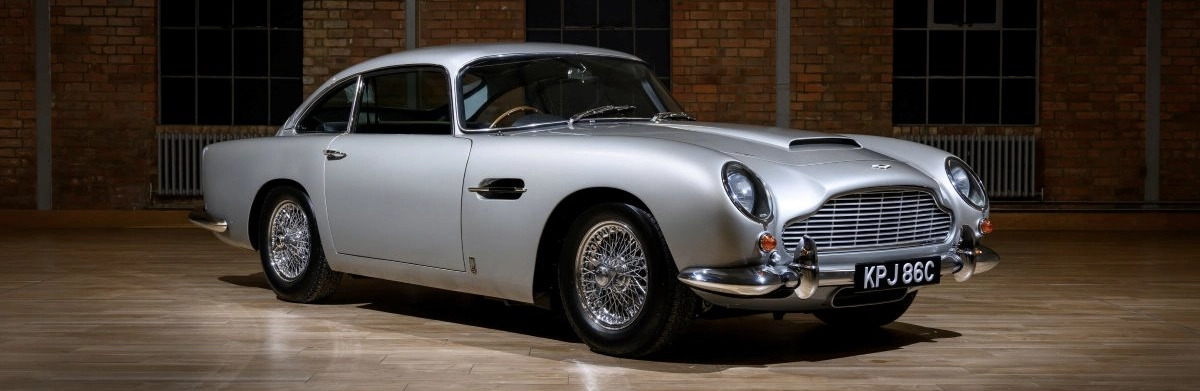
This is one reason classic-car restoration benefits from a more deliberate approach. Our classic car restoration service focuses on suitable body and paint work while recognising that older vehicles can require different decisions around originality and component availability.
6. Build the Scope Before Setting the Budget
Restoration budgets become unreliable when they are based on the finished appearance alone. The cost is created by the work underneath: dismantling, corrosion treatment, fabrication, panel correction, preparation, refinishing and reassembly.
Known Work and Unknown Work
A useful project plan separates:
- Work confirmed during the initial assessment
- Areas that require dismantling before their condition can be confirmed
- Optional improvements that are not necessary for the agreed result
- Separate specialist work outside the body and paint scope
- Parts that still need to be sourced
This gives the owner a clearer picture than a single broad figure with no explanation of possible additional work.
Allow for Decisions During the Project
Restoration can reveal new information after work starts, so there should be a process for documenting findings, discussing options and approving changes before the scope expands.
Do Not Set the Finish Standard After the Work Begins
A clean road-car finish may require a different level of correction from a highly detailed exterior presentation. Define expectations before work starts.
7. Full Restoration or Targeted Repair?
Not every old or damaged vehicle needs a full restoration. Targeted repairs can sometimes address the actual problem while preserving sound paint and panels.
Targeted Repair May Make More Sense When:
- Corrosion is genuinely localised
- Most of the existing paint remains stable and acceptable
- Only one or two panels have significant damage
- The owner wants preservation rather than complete cosmetic renewal
- The budget does not support a larger project
- A full strip-down would add work without improving the intended result proportionately
General panel and exterior work can be assessed through our car body repair service, while suitable isolated scratches and dents may fall within scratch and dent removal.
A Full Restoration May Be More Logical When:
- Corrosion appears across several connected body areas
- The paint system is failing widely
- Previous repairs are extensive and inconsistent
- Several panels need correction or replacement assessment
- The vehicle is already being dismantled for significant bodywork
- The owner wants a coherent finish across the complete exterior
The correct choice depends on the actual condition of the vehicle, not its age alone.
8. Questions to Answer Before Committing
Before authorising a full restoration, answer the questions that determine whether the project is manageable.
What Is the Vehicle Worth to You?
Separate market value from personal value. Be clear whether the goal is resale, preservation, long-term ownership or personal significance.
What Is the Real Starting Condition?
Have the body assessed for corrosion, previous repairs, panel condition and areas that may need dismantling. Do not decide from exterior shine alone.
Are the Important Parts Available?
Research panels, trim and exterior components that may be difficult to source. Identify which existing parts must be preserved carefully.
What Is Included in the Workshop Scope?
Confirm whether the project covers bodywork, welding, paint and exterior reassembly only or whether separate mechanical, electrical, glass or interior specialists will also be needed.
How Will Additional Work Be Approved?
Agree how new corrosion or previous repair problems will be documented and discussed. This is especially important for a project where the vehicle will be dismantled substantially.
What Result Are You Expecting?
Use examples and clear language. “Restore it properly” can mean different things to different people. Agree the intended finish and preservation priorities before work begins.
9. How to Make a More Informed Restoration Decision
Start with a detailed body assessment, identify difficult parts and establish what you want the finished vehicle to achieve.
Then compare three realistic routes:
- Preserve and repair: correct the necessary bodywork while retaining as much sound existing material and paint as practical.
- Partial restoration: restore a defined group of connected areas where deterioration is more extensive.
- Full body restoration: undertake the wider dismantling, metalwork, panel preparation and refinishing required to renew the complete agreed exterior.
The most expensive route is not automatically the most appropriate one.
Look at Real Work Before Choosing a Workshop
Restoration quality is difficult to judge from promotional language alone. Look for evidence of actual bodywork, preparation and completed finishes. Our completed projects provide examples of repair and restoration work, while customer reviews provide a separate view of genuine customer experience.
Start With Assessment, Not a Promise
A workshop should explain what can be assessed now, what remains uncertain and where dismantling may change the project.
For the wider workshop sequence, visit Our Vehicle Repair Process. You can also review our frequently asked questions before discussing a larger body restoration.
10. Frequently Asked Questions
Is restoring a car financially worth it?
Sometimes, but not automatically. Compare realistic restoration costs with the value of genuinely comparable finished vehicles. A restoration can still be worthwhile for long-term ownership or personal reasons even when it is not likely to produce a direct financial return.
Is it cheaper to restore a car or buy one already restored?
That depends on the vehicle and the quality of the available alternatives. Buying a completed car can sometimes be more predictable financially, while restoring your own vehicle gives you greater knowledge of the work completed and may be preferable when the car has personal significance.
How do I know whether my car needs a full restoration?
A full restoration is more likely to make sense where deterioration is widespread across several connected body areas, previous repairs are extensive or the existing paint system is failing broadly. Localised defects may be better handled through targeted repair.
Can a restoration price be fixed before the car is stripped down?
Known work can be estimated, but concealed corrosion and previous repairs may only become visible after components or old coatings are removed. The project should have a clear process for approving additional work if new conditions are discovered.
Should I keep the car’s original colour?
That depends on your objectives. Originality may be important on some classic vehicles, while other owners may prefer a colour change. A complete colour change can also require a broader refinishing scope than an exterior repaint in the existing colour.
Does AG Body Shop restore engines and interiors?
AG Body Shop’s confirmed restoration scope focuses on suitable body, metal and paint work. Mechanical, electrical, glass and interior restoration are separate areas unless specifically arranged through appropriate specialists.
What can make a restoration more difficult than expected?
Hidden corrosion, extensive previous repairs, poor panel fit and hard-to-source exterior components are common factors that can expand a project once dismantling begins.
What should I send for an initial restoration assessment?
Send the vehicle make, model and registration, clear photographs of the complete exterior and known problem areas, details of previous bodywork if known, and a short description of the result you want to achieve.
Considering a Full Vehicle Restoration?
Start by establishing the condition of the car and the result you want rather than committing immediately to the largest possible scope. AG Body Shop can review suitable body and paint restoration requirements and identify where further inspection may be necessary.
Request a Restoration Assessment
Send your vehicle details, photographs of the complete exterior and known problem areas, and a short description of your intended restoration result.
Send Vehicle Details
Call +44 7449 325756
Email AG Body Shop
Explore our car body repair and restoration services, view completed projects or learn more about AG Body Shop.