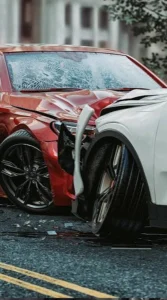

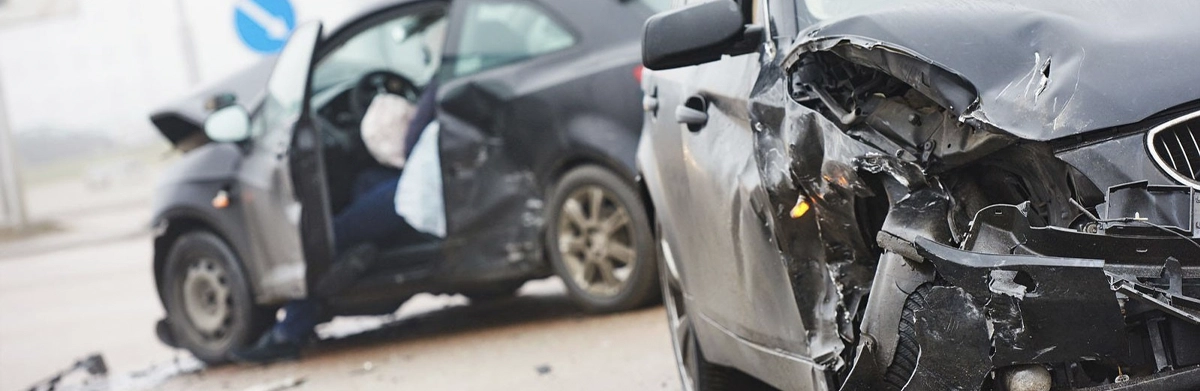
A car can look only lightly damaged after a collision while the true repair scope is still uncertain. A scuffed bumper, dented wing or misaligned panel may be obvious, but impact damage can also extend into brackets, mounting points, adjoining panels or areas hidden behind exterior trim.
A professional car accident damage assessment separates what can be seen immediately from what still needs inspection. It helps define the bodywork, bumper, panel and paint operations that appear necessary before a repair estimate is prepared.
If your vehicle has been damaged in a collision, our accident repair service in Potters Bar covers suitable body and paint repairs. Mechanical faults, electronic warnings and safety-system concerns may require separate diagnostic or specialist assessment, so a bodywork inspection should not be treated as confirmation that every vehicle system is unaffected.
1. What Is a Car Accident Damage Assessment?
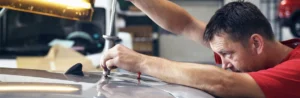
A car accident damage assessment is the process of examining the affected exterior areas of a vehicle after an impact and identifying the repair work that can reasonably be defined at that stage. It is not simply a price check or a quick look at one dent.
The assessor is trying to understand which components were involved, how the impact affected them and what further inspection may be necessary before the final scope can be confirmed.
For bodywork, the assessment may consider:
- The panels and exterior components affected by the collision
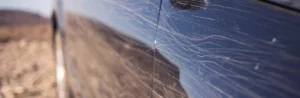
- Dents, creases, scratches and paint loss
- Bumper scuffs, cracks, distortion and displaced edges
- Visible panel gaps and exterior alignment
- Trim, mouldings, lamps and attachments within the damaged area
- Evidence of previous repairs or refinishing
- Areas that may need dismantling before their condition can be confirmed
- The preparation, colour matching and refinishing likely to be required
Assessment Is About Scope, Not Guesswork
The assessment should distinguish confirmed visible work from possible additional work. If a bumper must be removed before its brackets can be seen, those brackets should not be described as definitely damaged without evidence, but the uncertainty should still be recorded.
The first estimate is only as complete as the areas that can actually be inspected. A professional assessment identifies where dismantling or further checks may change the repair scope.
2. What to Prepare Before the Assessment
Good information before the vehicle arrives can make the assessment more efficient. If the collision has just happened, start by following the appropriate post-accident steps and recording the incident properly. Our guide on what to do after a minor collision covers the immediate practical actions before repair planning begins.
For the body shop, useful information includes:
- Vehicle make, model and registration
- The side or areas affected
- A short factual description of the impact
- Wide photographs of the vehicle and damaged side
- Closer photographs of each visible defect
- Any images showing changed panel gaps or bumper position
- Details of previous repairs in the same area, if known
- Insurance or claim information if the repair may be insurance-funded
Why Wide Photographs Matter
An extreme close-up can show paint damage but hide the shape of the panel around it. Wider photographs give context, showing whether a dent crosses a body line, whether a bumper corner has moved or whether more than one panel was contacted.
Photographs are still a preliminary aid rather than a substitute for physical inspection. Lighting, reflections and camera angle can change how damage appears.
3. How Visible Collision Damage Is Checked
The assessment usually begins with the complete affected area rather than the single mark the customer noticed first. This helps establish whether the damage is isolated or forms part of a wider impact path.
Panel Shape and Dent Characteristics
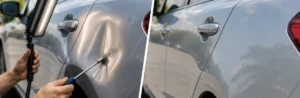
A dent is assessed by more than diameter. Depth, position, edge condition and relationship to body lines can influence the repair approach. Damage close to a panel edge or through a sharp styling line can behave differently from a shallow dent in an open area.
Bumper Condition
Plastic bumper covers can show scuffs, cracks, punctures, distortion or displaced edges. Because the material can flex during impact, the outer surface may partly return towards its original shape even when brackets or retainers have been affected.
Suitable cosmetic or plastic damage can be reviewed through our plastic bumper repair service. Electronic or sensor-related faults are a separate question and may require appropriate specialist or diagnostic attention.
Panel Gaps and Exterior Alignment
Panel gaps provide useful visual clues. A door, wing, bonnet or bumper that no longer sits as it did before the collision may indicate that the impact affected more than the paint surface. The assessment should record what can be seen without claiming structural conclusions that have not been established.
4. Why Concealed Damage Matters
Bumpers, liners, trim and exterior fittings can hide brackets, mounting points, panel edges and other areas that only become accessible after dismantling. This is one of the main reasons a preliminary estimate can change after repair work begins.
Typical Areas Hidden From the First View
Depending on the vehicle and point of impact, concealed areas may include bumper retainers, clips, supports, mounting tabs, inner edges of panels and attachment points behind trim. Hidden does not mean damaged; it means the condition cannot always be confirmed from outside.
A responsible estimate should distinguish between:
- Damage confirmed during the initial inspection
- Components that appear likely to need removal
- Areas whose condition remains unknown until access is available
- Additional work that would require approval if discovered later
Why Dismantling Can Change the Estimate
After removal, a bracket may prove intact or additional damage may become visible. Either result improves the accuracy of the repair plan. New findings should be documented, and where an insurer is funding the repair, further authorisation may be needed before supplementary work proceeds.
5. Repair, Refinish or Replacement Assessment
One key outcome is deciding which damaged components appear suitable for repair and which require replacement consideration. This should be based on condition rather than a simple rule such as “small dent means repair” or “crack means replace”.
When Panel Repair May Be Considered
Suitable panel damage may be repairable where the material, shape and location allow the panel to be restored using an appropriate body repair method. Factors can include the depth and sharpness of deformation, damage at edges, previous repairs and corrosion.
For more detail, see How to Know Whether a Dent Can Be Repaired.
When Replacement May Need to Be Considered
Replacement assessment may become relevant where damage is too extensive for the proposed repair method, a component cannot be restored satisfactorily, or the condition of its mountings and material makes repair inappropriate. The decision depends on the actual vehicle and component.
Refinishing alone does not correct distorted bodywork, unstable previous repairs, cracked plastic or damaged attachments. The underlying condition must be addressed before the final paint process.
6. Paint, Colour and Surface Assessment
Collision assessment also includes the finish around the damaged area. Scratches, chips, cracked coatings and previous paintwork can affect how the repair needs to be prepared and refinished.
How Deep Is the Paint Damage?
Some marks affect the upper clear finish, while deeper scratches can pass through colour and primer or expose metal or plastic. Polishing cannot replace missing paint layers or correct body damage underneath them.
Our guide to types of car scratches and repair options explains these differences in more detail.
Colour Matching and Previous Paintwork
The paint code is an important starting point, but the visible vehicle finish may differ because of production variants, age or earlier repainting. A previously repaired panel can also contain older filler, primer or refinishing materials that need to be considered during preparation.
Where refinishing is required, the body shop considers the current vehicle colour as well as the paint information. Metallic, pearl and other finishes can be sensitive to application and viewing angle. In suitable cases, blending into an adjoining area may create a more consistent transition.
Read more through our paint and colour matching service.
7. Turning the Assessment Into a Repair Scope
After inspection, the findings can be converted into a proposed repair scope: the practical bridge between “the car has been hit” and a workshop plan explaining what work is expected.
A repair scope may include:
- Removal and refitting of suitable exterior components
- Panel correction or bumper repair
- Replacement components where appropriate
- Preparation of repaired and adjoining areas
- Primer and paint material requirements
- Colour matching and blending where required
- Refinishing of the agreed areas
- Reassembly and visible final checks
- Notes about areas requiring confirmation after dismantling
Why a Detailed Scope Matters
A single total can hide important differences between estimates. One quotation might include bumper removal, a replacement trim item and blending, while another covers only the obvious outer repair. Comparing totals without comparing scope can therefore be misleading.
A clear scope also makes later changes easier to understand because the customer, body shop and insurer can see what was originally included and what has been added.
8. What Changes When Insurance Is Involved?
The physical inspection does not fundamentally change because an insurer may be paying, but the documentation and authorisation process can. The body shop assesses the repair requirements; the insurer or claims handler decides what it is prepared to fund under the policy and claim.
Estimate Does Not Mean Authorisation
An estimate describes proposed work and cost. It does not by itself confirm that the insurer has accepted liability, approved every operation or agreed to pay the full amount.
If you are making a claim, confirm what the insurer requires before authorising insurance-funded work. It may request photographs, an estimate, an inspection or further information.
Our guide How Car Insurance Repairs Work: From Claim to Vehicle Collection explains that process in detail.
What Happens With Supplementary Damage?
If dismantling reveals additional collision damage, the body shop can document the findings and revise the proposed scope. The insurer may need to review and authorise supplementary costs before work continues.
If you want to nominate your own garage, see Can You Choose Your Own Repairer After an Accident? for the main approval and payment questions to ask first.
9. What Happens After the Assessment?
Once the visible damage has been assessed and the repair route agreed, the job can move towards authorisation, scheduling and repair. The next stage depends on whether the work is privately funded or connected with an insurance claim.
Repair Planning and Bodywork
The workshop confirms the agreed scope and any areas still subject to inspection after dismantling. Suitable damaged panels or plastic components are then repaired according to the agreed route, while replacement components can be prepared where required.
Preparation and Refinishing
Bodywork must be correctly prepared before paint application. Surface correction, primer preparation, colour matching and refinishing are completed in the appropriate sequence for the repair.
Reassembly and Final Checks
Suitable removed components are refitted after refinishing. The completed bodywork can then be checked against the agreed scope for visible panel fit, bumper position, surface quality and finish.
For the complete sequence, visit Our Vehicle Repair Process. You can also browse our completed projects and customer reviews when researching AG Body Shop.
10. Frequently Asked Questions
Can accident damage be assessed from photographs alone?
Photographs can support an initial review, especially when both wide and close images are provided. A physical inspection may still be required where panel alignment, concealed damage, bumper mountings or previous repairs cannot be assessed reliably from images.
Why can an accident repair estimate change later?
Some damage only becomes visible after bumpers, trim or exterior components are removed. If new damage is found, the repair scope may need to be revised and any required approval obtained before additional work proceeds.
Does a small dent mean the repair will be simple?
Not necessarily. Position, depth, creasing, panel edges, paint condition and previous repairs can all affect repairability. The physical characteristics of the damage matter more than size alone.
Can AG Body Shop check mechanical or electronic accident damage?
AG Body Shop’s bodywork assessment covers suitable exterior body, bumper and paint damage. Mechanical faults, electronic warnings and safety-system concerns may require separate diagnostic or specialist assessment.
Does an assessment mean the insurer has approved the repair?
No. A body shop assessment and estimate describe the proposed repair. The insurer or claims handler is responsible for deciding what it will authorise and fund under the claim.
What photographs should I send before an assessment?
Send a wider view of the affected side, the complete damaged panel or bumper and close photographs from several angles. Include visible changes to panel gaps, trim or bumper position.
Should I repair or replace a damaged panel?
The answer depends on the specific component and condition. Repairability can be affected by the location and severity of deformation, previous work, corrosion and the repair method appropriate to the vehicle.
What information should I bring to an accident damage assessment?
Bring or send the vehicle details, a short description of the collision, photographs where available and insurance or claim information if the repair may be insurance-funded.
Need a Collision Damage Assessment?
If your vehicle has been damaged in an accident, send AG Body Shop clear photographs showing the complete affected area together with the vehicle make, model and registration. We can review suitable visible body and paint damage and advise whether a workshop inspection is the appropriate next step.
Request a Vehicle Assessment
Send your registration, a short description of the collision and clear wide and close photographs of every visible damaged area.
Send Vehicle Details
Call +44 7449 325756
Email AG Body Shop
Explore our car body repair services, read our frequently asked questions or view completed body and paint projects.